
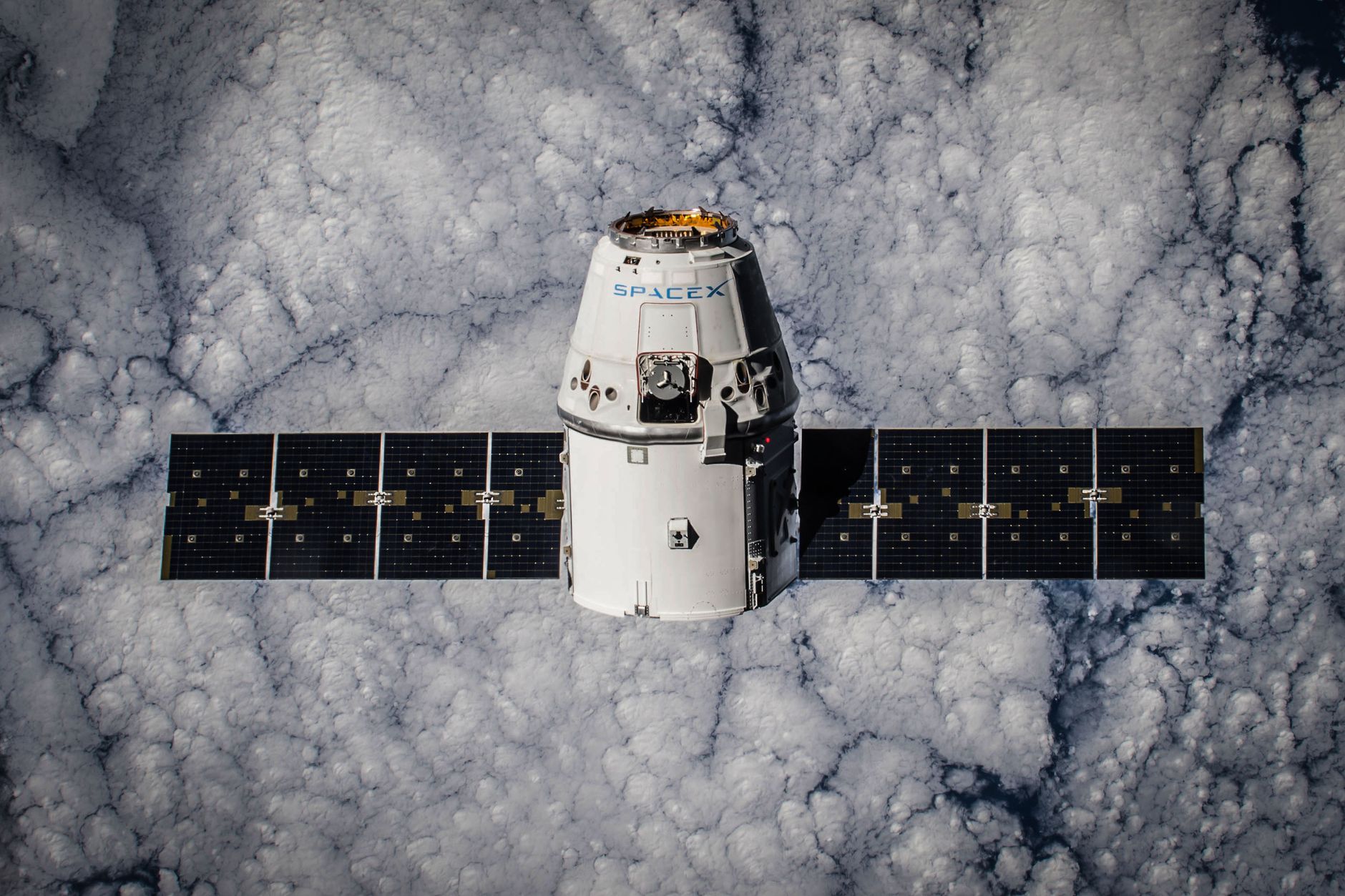
GSLV-F17 satellite launch has successfully placed the EOS-05 satellite into orbit, demonstrating India’s growing capabilities in space technology.
Overview of GSLV-F17
The GSLV-F17 satellite launch marks a significant milestone in India’s space exploration efforts. On its recent mission, the GSLV-F17 successfully deployed the EOS-05 satellite into orbit, showcasing the reliability and capability of the Geosynchronous Satellite Launch Vehicle (GSLV) series.
The EOS-05 satellite is designed for various applications, including:
- Earth observation for agricultural monitoring
- Disaster management and mitigation
- Environmental monitoring to track changes in natural resources
This launch is particularly noteworthy as it demonstrates the advancements made in launch vehicle technology by the Indian Space Research Organisation (ISRO). The GSLV-F17 is equipped with enhanced capabilities, allowing it to carry heavier payloads and deliver them to precise orbits.
The successful insertion of the EOS-05 into its designated orbit is a testament to the meticulous planning and execution undertaken by the ISRO team. This mission not only reinforces India’s position in the global space arena but also contributes valuable data for numerous civilian applications.
Overall, the GSLV-F17 launch is a proven success story, underlining India’s commitment to harnessing space technology for the betterment of society.
Significance of EOS-05
The successful launch of the GSLV-F17 satellite has marked a significant milestone for India, particularly with the deployment of the EOS-05 satellite. This satellite is designed to enhance the country’s capabilities in earth observation, providing crucial data for various applications.
The significance of EOS-05 can be understood through its diverse functionalities, which include:
- Monitoring Climate Change: EOS-05 is equipped to track changes in land use, ice melting, and vegetation cover, offering valuable insights into climate patterns.
- Disaster Management: The satellite will aid in assessing natural disasters such as floods and cyclones, helping governments and organizations respond swiftly and effectively.
- Agricultural Support: With its advanced imaging capabilities, EOS-05 will assist farmers by providing timely information on crop health and soil moisture levels, thus supporting food security.
- Urban Planning: The data gathered from EOS-05 will also facilitate better urban planning and infrastructure development, ensuring sustainable growth in expanding cities.
In summary, the GSLV-F17 satellite launch not only demonstrates India’s growing prowess in space technology but also emphasizes the critical role that EOS-05 will play in addressing various societal and environmental challenges. This mission reaffirms India’s commitment to leveraging space technology for national development.
Launch Details and Timeline
The GSLV-F17 satellite launch took place on December 7, 2021, marking another milestone for India’s space ambitions. The launch vehicle lifted off from the Satish Dhawan Space Centre in Sriharikota at 5:43 PM IST, following a meticulously planned countdown that began 28 hours before. This launch was pivotal as it successfully placed the EOS-05 satellite into its designated orbit.
The launch sequence commenced with the ignition of the first stage, which generated a thrust of over 3000 kN. This powerful lift-off was crucial for overcoming Earth’s gravitational pull. The rocket’s three stages operated seamlessly, showcasing the reliability of the GSLV series.
At approximately T+16 minutes, the EOS-05 satellite was successfully separated from the launch vehicle, achieving its intended orbit at an altitude of nearly 550 kilometers. This achievement underscored the advanced capabilities of the GSLV-F17 satellite launch, as well as the technical expertise of the Indian Space Research Organisation (ISRO).
Post-launch analysis revealed that all mission objectives were met, and the satellite began its initial operations promptly. The successful deployment of EOS-05 is expected to enhance the country’s weather forecasting capabilities and contribute significantly to various environmental monitoring initiatives.
Technical Specifications of GSLV-F17
The GSLV-F17 satellite launch has showcased impressive technical specifications that underline its capabilities and reliability. Developed by the Indian Space Research Organisation (ISRO), this launch vehicle plays a crucial role in deploying satellites into geosynchronous orbits.
- Height: The GSLV-F17 stands at approximately 49 meters tall, making it a formidable presence in the realm of space exploration.
- Weight: The vehicle has a lift-off weight of around 420 tons, which contributes to its ability to carry heavier payloads.
- Payload Capacity: GSLV can carry payloads of up to 2,500 kilograms into geostationary transfer orbit (GTO), offering flexibility for various satellite missions.
- Stages: The rocket features a three-stage configuration, combining solid, liquid, and cryogenic propulsion systems to maximize performance.
- Engine: It is powered by the indigenous CE-7.5 cryogenic engine, which enhances efficiency and reduces overall mission costs.
These specifications not only highlight the technological advancements of the GSLV-F17 but also solidify its reputation as a reliable launch vehicle. With the successful deployment of EOS-05, the GSLV-F17 satellite launch continues to represent India’s growing prowess in space technology.
Future Missions Planned by ISRO
As the successful launch of the GSLV-F17 satellite marks another milestone for the Indian Space Research Organisation (ISRO), the agency is already looking ahead to future missions that aim to continue expanding India’s capabilities in space exploration.
ISRO has a series of ambitious projects lined up, including:
- Chandrayaan-3: This mission aims to further explore the Moon’s surface, following the initial success of Chandrayaan-2.
- Gaganyaan: India’s first crewed mission, expected to demonstrate the country’s ability to send humans into space.
- Aditya-L1: A mission dedicated to studying the Sun, which will provide critical data about solar activity and its effects on the Earth’s atmosphere.
- NavIC Expansion: Enhancements to the Indian Regional Navigation Satellite System to improve precision and coverage.
Each of these missions reflects ISRO’s commitment to advancing technology and scientific knowledge. The successful deployment of the EOS-05 satellite via the GSLV-F17 satellite launch serves as a testament to the organization’s capacity to handle complex projects and paves the way for future endeavors. With a focus on innovation and collaboration, ISRO is poised to continue its legacy in the global space community.
Challenges Faced During Launch
The GSLV-F17 satellite launch was not without its challenges, reflecting the complexities involved in space missions. The Indian Space Research Organisation (ISRO) faced several hurdles leading up to and during the launch.
- Technical Glitches: Prior to the launch, ISRO engineers encountered minor technical issues during pre-launch checks. These required prompt intervention and troubleshooting to ensure the rocket’s systems were fully operational.
- Weather Conditions: Unfavorable weather conditions posed a significant threat. High winds and cloud cover were observed in the area, which could have delayed the launch. However, ISRO’s team monitored the conditions closely and made necessary adjustments to the launch window.
- Resource Coordination: Coordinating various teams and resources at the launch site added another layer of complexity. Timely communication was crucial to ensure that all systems were aligned and ready for the launch.
- Public Expectations: With the increasing public interest in space exploration, the pressure to deliver a successful launch was palpable. ISRO aimed to meet these expectations while maintaining safety and precision in their operations.
Despite these challenges, the GSLV-F17 satellite launch successfully placed the EOS-05 satellite into orbit, showcasing ISRO’s resilience and expertise in overcoming obstacles in the quest for space exploration.
Impact of EOS-05 on Earth Observation
The successful launch of the GSLV-F17 satellite has significant implications for Earth observation, particularly with the deployment of the EOS-05 satellite. This satellite is poised to enhance the capabilities of remote sensing, providing critical data for various applications.
EOS-05 is designed to monitor and analyze environmental changes, weather patterns, and natural disasters. Its advanced sensors will enable scientists to gather valuable information on:
- Atmospheric composition: By studying air quality and pollutant levels, EOS-05 contributes to public health and environmental management.
- Land use changes: The satellite will assist in tracking deforestation, urbanization, and agricultural practices, supporting sustainable development.
- Disaster management: With real-time data on natural disasters such as floods and cyclones, EOS-05 will aid in timely response and mitigation efforts.
- Climate monitoring: The satellite will play a crucial role in understanding climate change by providing long-term data on various climatic factors.
The impact of EOS-05 extends beyond just scientific research; it will empower governments and organizations to make informed decisions based on accurate, up-to-date information. As part of the GSLV-F17 satellite launch, EOS-05 represents a major step forward in enhancing our understanding of Earth and its systems.
Conclusion on Satellite Launch Success
The successful launch of the GSLV-F17 satellite marks yet another milestone in India’s space exploration efforts. With the deployment of the EOS-05 satellite, ISRO has demonstrated its prowess in advancing Earth observation capabilities, which are crucial for various applications including agriculture, forestry, and disaster management.
Throughout the planning and execution phases, ISRO faced several challenges that tested its technical expertise and innovation. However, the team’s dedication and meticulous preparation led to a seamless launch, reinforcing the reliability of the GSLV series. The GSLV-F17 satellite launch not only showcases ISRO’s commitment to enhancing satellite technology but also highlights India’s growing role in the global space community.
The successful insertion of EOS-05 into orbit promises to provide valuable data for research and development, ensuring that the satellite will serve its intended purpose effectively. As a result, stakeholders across various sectors can look forward to improved data-driven decision-making.
In conclusion, the GSLV-F17 satellite launch is a testament to ISRO’s continued success and innovation in space technology. Looking ahead, the organization remains focused on future missions that will further expand its capabilities and contribute to both scientific knowledge and practical applications on Earth.
The GSLV-F17 satellite launch has demonstrated India’s growing capabilities in space technology. As a proven success story, it paves the way for future missions and advancements in satellite deployment.
Photo by SpaceX on Pexels