
SpaceX Starship orbit has been reached for the first time, marking a significant milestone for the company. However, the mission encountered some unexpected challenges that have raised questions.
What is SpaceX’s Starship?
SpaceX’s Starship is an ambitious spacecraft designed for deep space exploration and interplanetary travel. With its cutting-edge technology and innovative design, it aims to revolutionize space travel. The Starship is a fully reusable spacecraft that can carry both crew and cargo, supporting missions to the Moon, Mars, and beyond.
The development of Starship has been marked by numerous prototypes and test flights. Each iteration has provided valuable data, leading to improvements in performance and safety. The spacecraft is powered by the Raptor engine, which runs on liquid methane and liquid oxygen, making it more sustainable for long-duration missions.
On its recent mission, SpaceX’s Starship reached orbit for the first time, a significant milestone in its journey. However, the mission did not go as planned, as it encountered some unexpected challenges during its ascent. Despite these issues, the achievement of reaching orbit is celebrated as a crucial step forward in the exploration of outer space.
As SpaceX continues to refine its technology, many are optimistic about the future of Starship and its potential to pave the way for human presence on other planets. The question remains: is this mission the best one so far for SpaceX’s Starship orbit capabilities?
Overview of the recent launch
On its recent launch, SpaceX’s Starship successfully achieved orbit for the first time, marking a significant milestone in the company’s quest for interplanetary travel. The mission, however, encountered some unexpected challenges that have left many analysts questioning the overall success of the operation.
The launch took place on a clear morning, with spectators eager to witness the historic moment. Once liftoff commenced, the rocket ascended smoothly, demonstrating impressive power and precision. As the spacecraft reached the designated orbit, cheers erupted from the SpaceX control room, celebrating the achievement.
Despite the initial success, the mission took a turn when a series of technical anomalies emerged during the orbital phase. Engineers reported that certain systems did not perform as expected, which raised concerns about the reliability of the technology. SpaceX representatives emphasized that this was part of the testing process, noting that challenges are expected in such advanced missions.
In light of these events, industry experts are divided on whether this mission should be viewed as a triumph or a setback. Some argue that reaching orbit is a monumental achievement, while others point to the issues encountered as indicators that further refinements are necessary. As SpaceX continues to push the boundaries of space exploration, the implications of this mission will be closely scrutinized.
Unexpected challenges faced
During the recent launch of SpaceX’s Starship, which marked its first successful orbit, the mission faced several unexpected challenges that put the spacecraft’s capabilities to the test. Despite the initial excitement surrounding the launch, a series of issues began to emerge shortly after liftoff.
One of the most significant setbacks involved a malfunction in one of the rocket’s engines, which led to a temporary loss of thrust. This issue raised concerns among mission control and the engineers monitoring the flight. Fortunately, the crew’s quick response and the robust design of the Starship allowed it to maintain its trajectory.
Additionally, the spacecraft encountered unexpected atmospheric conditions that complicated its flight path. These conditions prompted adjustments to the planned trajectory, testing the adaptability of SpaceX’s technology. The team had to make real-time decisions to ensure a safe and successful mission.
Moreover, communication delays between the ground control and the spacecraft presented another hurdle. This factor added to the tension, as timely data exchange is crucial during critical phases of flight. Despite these challenges, the mission ultimately concluded with the Starship achieving orbit, which many are now considering to be one of SpaceX’s best missions so far, showcasing not only the vehicle’s capabilities but also the resilience of the team behind it.
Impact on future missions
The successful launch of the SpaceX Starship into orbit marks a significant milestone in space exploration, with potential ramifications for future missions. As the first orbital flight of the Starship, this event not only demonstrates the vehicle’s capabilities but also sets the stage for subsequent endeavors.
Industry experts believe that the innovations and technologies developed through this mission will influence a range of upcoming projects, including:
- Interplanetary Travel: The capabilities of the Starship could enable missions to Mars and beyond, paving the way for human colonization of other planets.
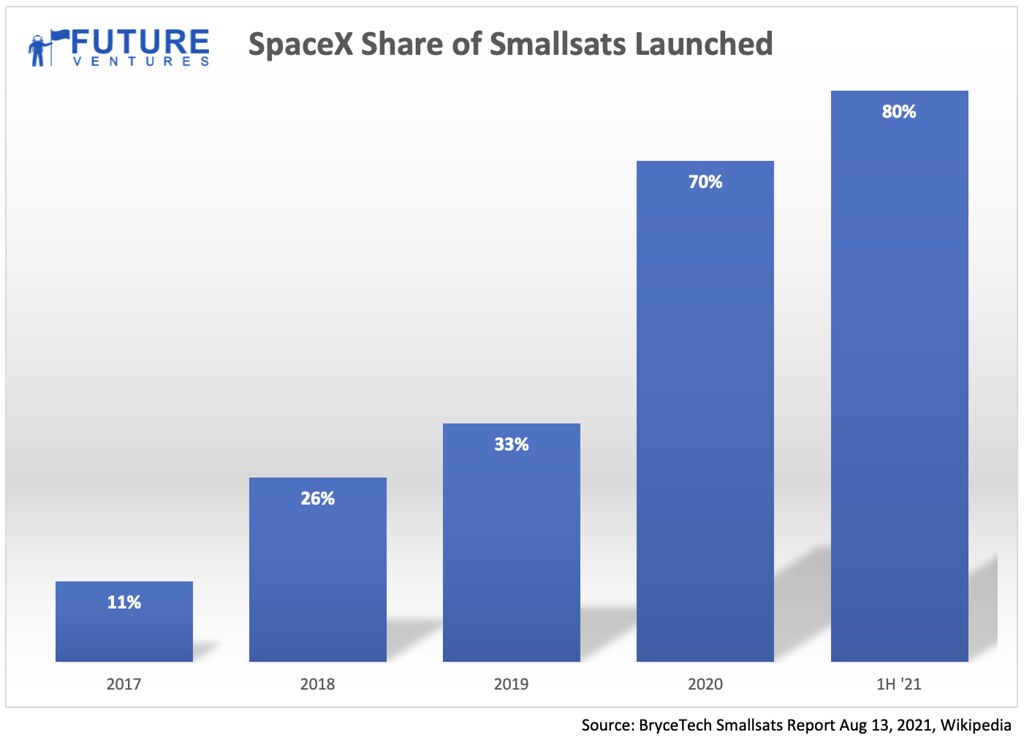
- Satellite Deployment: With its enhanced payload capacity, the Starship could revolutionize how satellites are launched, making space more accessible.
- Space Tourism: The success of this mission could accelerate the development of commercial space travel, bringing the dream of space tourism closer to reality.
- Research Opportunities: The orbital flight provides a platform for scientific experiments in microgravity, opening doors for new research in various fields.
While the mission faced unexpected challenges, the overall achievement of reaching orbit reinforces the potential of the SpaceX Starship to lead the way in future exploration initiatives.
Public reaction to the launch
The public reaction to the recent launch of SpaceX’s Starship orbit has been overwhelmingly positive, despite the unexpected challenges faced during the mission. Many space enthusiasts and casual observers alike expressed their excitement over the historic achievement of reaching orbit for the first time.
Social media platforms were flooded with comments and videos showcasing the launch, with users sharing their awe and admiration for SpaceX’s engineering prowess. Some notable reactions included:
- Excitement: Many fans celebrated the successful launch, highlighting how it marks a significant milestone in space exploration.
- Curiosity: People are eager to learn more about the implications of the mission for future space travel and exploration, particularly in relation to Mars colonization.
- Caution: While the achievement is commendable, some observers pointed out the need for addressing the challenges encountered during the mission before future launches.
Industry experts also weighed in, emphasizing the importance of the Starship orbit mission in advancing rocket technology. “This is a step forward for SpaceX,” one analyst noted, “but it’s crucial to analyze the data from this flight to ensure future missions can achieve even greater success.”
Technical details of the orbit
SpaceX’s recent endeavor to place the Starship into orbit marked a significant milestone in the aerospace industry. The technical details surrounding this mission reveal both the complexity and innovation involved in achieving orbital flight.
The Starship, designed for deep space exploration, features several key components:
- Payload capacity: Capable of carrying over 100 metric tons to low Earth orbit, making it suitable for various missions, including crewed flights to Mars.
- Raptor engines: The vehicle is powered by six Raptor engines, which utilize methane and liquid oxygen, providing enhanced efficiency and reusability.
- Heat shield: A cutting-edge heat shield made of heat-resistant tiles is essential for re-entry, protecting the spacecraft from extreme temperatures.
- Flight profile: The mission followed a complex flight profile, including multiple engine burns and trajectory adjustments to achieve a stable orbit.
Despite the unexpected challenges faced during the mission, including issues with engine performance, the fact that SpaceX’s Starship reached orbit for the first time highlights a pivotal moment in space exploration. This successful orbit not only showcases the capabilities of the Starship but also sets the stage for future missions that aim to push the boundaries of human presence beyond Earth.
What’s next for SpaceX?
As SpaceX continues to push the boundaries of space exploration, many are eager to know what’s next for the company following the successful, yet challenging, orbit of its Starship. The recent mission marked a significant milestone, demonstrating the potential of the Starship for future endeavors.
In the wake of the launch, SpaceX has outlined several key objectives aimed at refining its technology and enhancing mission capabilities. These objectives include:
- Improving reliability: Addressing the unexpected challenges encountered during the recent mission is crucial. SpaceX aims to analyze the flight data to bolster the Starship’s performance in future launches.
- Expanding payload capabilities: With the successful orbit of Starship, SpaceX plans to explore its potential for carrying larger payloads, which could revolutionize satellite deployment and interplanetary missions.
- Planning crewed missions: As the technology matures, SpaceX is focused on preparing for crewed missions to the Moon and Mars, aligning with the company’s long-term vision of making humanity a multiplanetary species.
In conclusion, the successful orbit of SpaceX’s Starship is just the beginning. The company’s relentless pursuit of innovation suggests that even greater achievements are on the horizon.
The recent achievements of the SpaceX Starship orbit have sparked discussions about its potential to revolutionize space travel. Many experts believe that the success of the SpaceX Starship orbit mission could pave the way for future interplanetary exploration.
By jurvetson via Openverse
Where this came from
Cleveland.com · SpaceX Starship orbital flight tests
NVIDIA Kumo Tabular Model: The Best Tool for Predictions · ISRO space docking mission: Proven Components for Success · OpenAI Model Release: Safety Concerns Cause Major Delay