
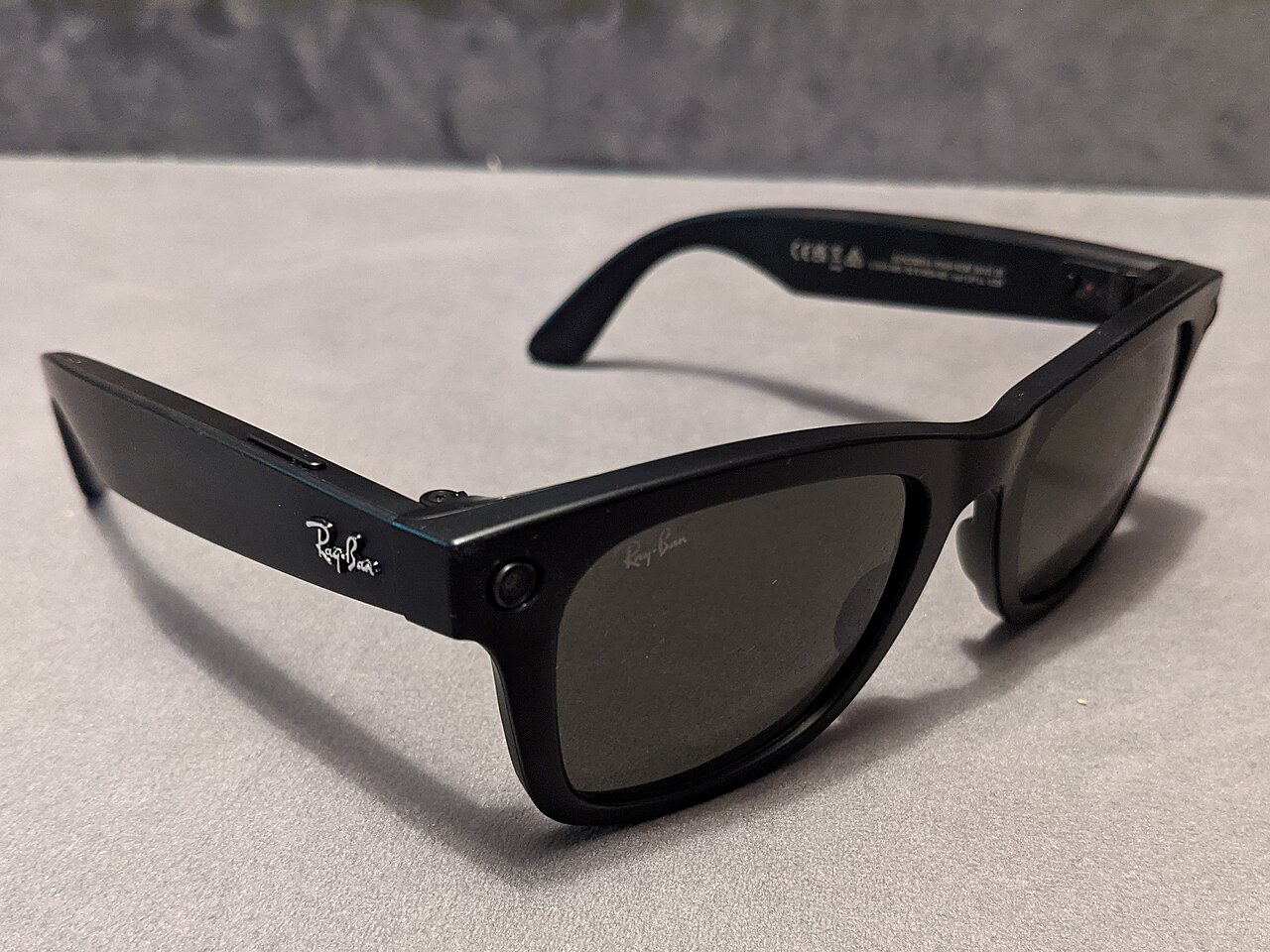
Ray-Ban Meta smart glasses have faced a troubling bug that has turned one of the biggest fears about the device into reality. This incident raises serious concerns for users and the tech community alike.
Understanding the Bug in Ray-Ban Meta Smart Glasses
The recent discovery of a significant bug in the Ray-Ban Meta smart glasses has raised serious concerns among users and tech enthusiasts alike. This issue, which was reported widely, highlights one of the most pressing fears associated with smart eyewear.
Users of the Ray-Ban Meta smart glasses were alarmed to find that the device could unintentionally record videos without their explicit consent. This functionality poses a risk to privacy, as it could lead to unauthorized recordings in sensitive situations. The implications are profound, considering the increasing prevalence of wearable technology and the need for user control over their devices.
Experts have outlined several potential risks associated with this bug:
- Privacy Invasion: Users may inadvertently capture footage in private settings.
- Data Misuse: Recorded videos could be accessed by malicious actors.
- Loss of Trust: Users may become wary of wearing smart glasses, fearing constant surveillance.
In light of these developments, it is crucial for manufacturers to address the vulnerabilities in the Ray-Ban Meta smart glasses. Ensuring robust security measures and transparent user controls will be vital in restoring consumer confidence and safeguarding personal privacy in the age of smart technology.
User Reactions to the Latest Issue
The recent bug in the Ray-Ban Meta smart glasses has sparked a wave of reactions from users, many of whom are expressing their concerns about privacy and functionality. As the technology integrates more with daily life, the stakes surrounding security have become increasingly apparent.
Users took to social media to voice their frustrations, highlighting several key issues:
- Privacy Invasion: Many users are worried about the potential for unauthorized recording, as the bug has raised fears that the glasses might capture moments without consent.
- Reliability: Customers have pointed out that reliance on smart glasses for day-to-day activities can be risky if the technology is prone to glitches.
- Brand Trust: Some long-time fans of the Ray-Ban brand are questioning their loyalty, feeling that the incident erodes trust in the company’s commitment to user safety.
- Future Purchases: Many potential buyers are hesitant to invest in the Ray-Ban Meta smart glasses, citing the current issue as a significant deterrent.
Overall, the user feedback reflects a growing concern that as wearable technology evolves, so too must the safeguards that protect users. The implications of this bug extend beyond mere inconvenience, hinting at deeper issues related to privacy in the digital age.
Privacy Concerns with Smart Glasses
The recent bug in the Ray-Ban Meta smart glasses has reignited concerns regarding user privacy and data security. As technology continues to integrate more seamlessly into daily life, the potential for misuse grows significantly. This situation highlights the delicate balance between innovation and privacy.
Many users have expressed their apprehensions about the ability of smart glasses to capture and store images or audio without the wearer’s knowledge. The Ray-Ban Meta smart glasses, designed to combine functionality with style, now face scrutiny as the bug exposed vulnerabilities that could lead to unauthorized recordings.
Privacy advocates warn that such incidents could lead to serious implications, including:
- Unauthorized surveillance: The potential for individuals to be recorded without consent raises ethical questions about personal privacy.
- Data breaches: Sensitive information could be at risk if the devices are exploited by malicious actors.
- Public trust: Incidents like these can erode consumer confidence in smart device technology, leading to hesitance in adoption.
In light of these events, manufacturers of smart glasses, including the Ray-Ban Meta smart glasses, must take immediate action to enhance security measures. As the technology landscape evolves, so too must the frameworks that protect users from potential risks associated with smart devices.
How This Affects Ray-Ban’s Reputation
The recent discovery of a significant bug in Ray-Ban Meta smart glasses has raised serious questions about the brand’s reputation in the tech and eyewear markets. With consumers increasingly concerned about privacy and security, this error has turned one of the biggest fears about these innovative devices into a harsh reality.
As a renowned name in eyewear, Ray-Ban has built its reputation on quality and style. However, the emergence of this bug could undermine years of brand loyalty. Customers who once viewed the Ray-Ban Meta smart glasses as cutting-edge technology may now hesitate, fearing potential vulnerabilities that could compromise their personal information.
Industry analysts warn that damage to Ray-Ban’s reputation may extend beyond this specific incident. The association of the brand with privacy risks may deter potential buyers from exploring their offerings, especially as competition in the smart glasses market intensifies. Consumers are likely to gravitate towards brands that prioritize security and transparency.
Furthermore, the trust that Ray-Ban has cultivated may take a considerable time to rebuild. Affected users are voicing their concerns on social media platforms, amplifying the narrative of distrust. If Ray-Ban fails to address these issues promptly and effectively, it could face a long-term decline in consumer confidence.
In a market where innovation meets privacy, the stakes are high, and the repercussions of this bug could linger for years to come.
Expert Opinions on the Bug
Experts have weighed in on the recent bug affecting Ray-Ban Meta smart glasses, highlighting significant concerns about user privacy and security. According to Dr. Emily Carter, a technology analyst, “This incident is a glaring reminder of how vulnerable smart devices can be, especially those integrated with our daily lives.” She emphasizes that the bug not only exposes personal data but also highlights the potential for misuse by malicious actors.
Moreover, cybersecurity expert Tom Liu pointed out, “The implications of this bug extend beyond just one product. It sets a precedent for other smart devices in the market. Companies must prioritize rigorous testing and user privacy.” Liu’s insights suggest that while Ray-Ban Meta smart glasses aim to enhance user experience, the recent failure raises questions about their commitment to safeguarding user information.
Another perspective comes from Sarah Jenkins, a consumer rights advocate, who said, “Consumers need to be aware of the risks associated with smart glasses. Transparency is crucial, and brands like Ray-Ban must ensure that customers are informed about potential vulnerabilities.” Jenkins urges manufacturers to adopt more robust security measures to regain consumer trust.
In summary, the expert opinions underscore a critical need for companies producing smart technology like Ray-Ban Meta smart glasses to take proactive steps in addressing security flaws and protecting user privacy in an increasingly digital world.
Future of Smart Glasses Technology
The future of smart glasses technology is at a pivotal moment, especially following the recent issues with the Ray-Ban Meta smart glasses. As tech giants continue to integrate augmented reality features into everyday eyewear, the concerns raised by the latest bug highlight the challenges ahead.
Consumers are increasingly aware of how technology impacts their privacy and security. With smart glasses becoming more prevalent, manufacturers must prioritize user safety to avoid further backlash. The Ray-Ban Meta smart glasses incident serves as a cautionary tale, indicating that even well-established brands can face significant setbacks.
As the market for smart glasses expands, developers will need to address key areas to regain consumer trust:
- Robust Security Protocols: Companies must implement stringent measures to protect user data and prevent vulnerabilities.
- User Education: It’s essential to inform users about how smart glasses work and the potential risks involved.
- Continuous Testing: Regular updates and testing should be a standard practice to identify issues before they become widespread.
Successful innovation in the smart glasses market will depend not only on technological advancements but also on the ability to foster trust among users. The Ray-Ban Meta smart glasses bug underscores the importance of addressing these challenges head-on as the industry moves forward.
What Users Should Do Next
In light of the recent bug affecting the Ray-Ban Meta smart glasses, users are advised to take certain precautions to ensure their privacy and security. Here are some recommended steps:
- Update Software: Regularly check for software updates for your Ray-Ban Meta smart glasses. Ensure that you are running the latest version, as updates often include important security fixes.
- Adjust Privacy Settings: Review and modify the privacy settings within the accompanying app. Limit features that may compromise your personal information.
- Monitor Usage: Keep track of when and how often you use the smart glasses. Be cautious of using them in sensitive environments where privacy is a priority.
- Unpair When Not in Use: If you are not actively using the Ray-Ban Meta smart glasses, consider unpairing them from your devices to reduce the risk of unauthorized access.
- Stay Informed: Follow updates from the manufacturer regarding any fixes or changes related to the bug. Engaging with user communities can also provide valuable insights.
Taking these steps can help mitigate risks associated with the bug in Ray-Ban Meta smart glasses. Users should remain vigilant and proactive to safeguard their personal information while enjoying the benefits of smart technology.
via Wikimedia Commons