
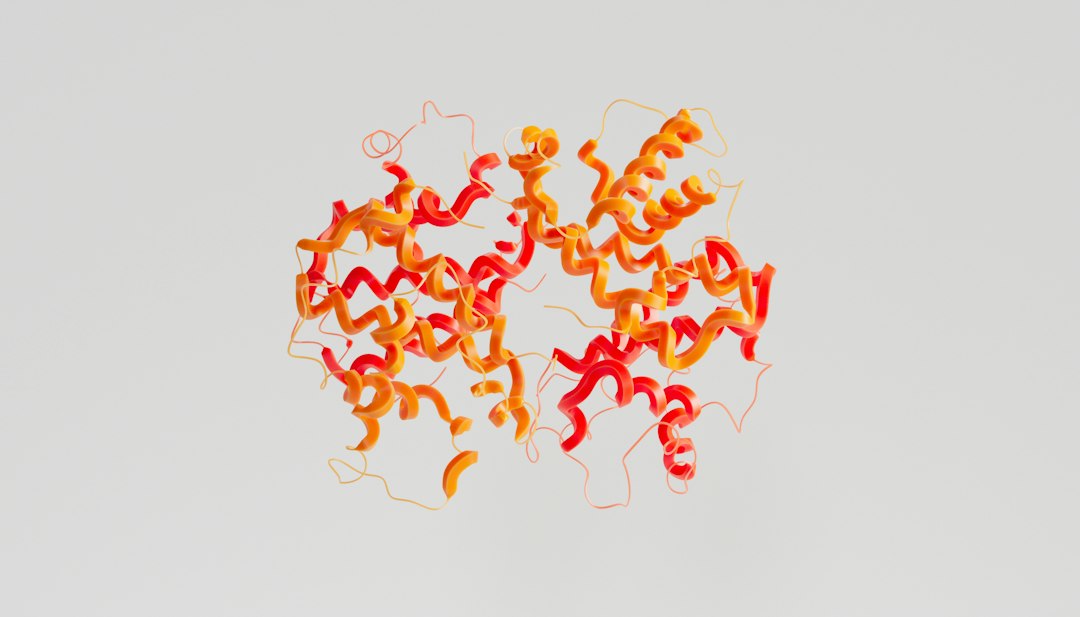
What Is GHK-Cu?
GHK-Cu is a copper-binding peptide that has attracted scientific interest because of its potential relationship with skin biology, cellular processes, and tissue maintenance. As research into peptides continues to expand, ghk cu canada has become a relevant search topic for individuals interested in understanding copper peptides and their scientific background. GHK-Cu consists of a small chain of amino acids bound to copper, creating a compound studied in laboratory and cosmetic research.
Why Is GHK-Cu Important in Peptide Research?
GHK-Cu is interesting to researchers because copper plays an important role in several biological processes. Copper is involved in enzyme activity, connective tissue formation, and normal cellular functions. Researchers have therefore investigated how copper-binding peptides interact with biological systems.
Much of the existing research explores cellular activity, extracellular matrix organization, and processes associated with skin structure. However, laboratory findings should not automatically be interpreted as proof of clinical effectiveness.
How Does GHK-Cu Relate to Skin Research?
Skin research is one of the most discussed areas involving GHK-Cu. Scientists have examined its possible relationship with collagen-related activity, skin appearance, and tissue maintenance.
Collagen is an important structural protein that contributes to the strength and organization of the skin. Changes in collagen structure naturally occur with aging and environmental exposure. Understanding compounds that interact with these biological pathways remains an important area of dermatological investigation.
Nevertheless, available human research is limited, and more controlled studies are necessary before making definitive conclusions about its cosmetic or therapeutic benefits.
What Makes Copper Peptides Different?
Copper peptides combine a peptide structure with copper-binding properties. Peptides themselves are short chains of amino acids that participate in numerous biological functions. When certain peptides coordinate with copper, their chemical characteristics and potential biological interactions can change.
GHK-Cu is particularly interesting because researchers investigate both its peptide structure and its relationship with copper. These characteristics make it a subject of interest in peptide chemistry, formulation development, and skin-related research.
What Should Researchers Consider When Evaluating GHK-Cu?
Research quality begins with understanding the material being studied. Purity, chemical identity, formulation stability, and appropriate analytical testing are important considerations when evaluating any peptide compound.
Researchers should also distinguish between laboratory observations, animal research, and controlled human studies. These research categories provide different levels of evidence and cannot be treated as interchangeable.
Responsible evaluation also requires attention to product documentation and appropriate handling conditions. Reliable scientific information should clearly explain the compound’s characteristics without presenting unverified benefits as established facts.
Is GHK-Cu an Established Medical Treatment?
GHK-Cu should not be considered an established treatment simply because it has attracted scientific attention. Research findings involving cellular activity or laboratory models do not establish that a compound is safe or effective for treating medical conditions in people.
Its regulatory status and permitted uses can vary according to the product category and jurisdiction. Individuals should consult qualified healthcare professionals before considering any experimental peptide-related application.
Why Is Further Research Necessary?
Although GHK-Cu has an interesting scientific background, important questions remain regarding its formulation, biological activity, long-term safety, and clinical relevance. Larger, well-designed human studies are needed to establish whether findings from preliminary research translate into meaningful outcomes.
Further investigation can also improve understanding of copper coordination, peptide stability, and the differences between topical and other delivery approaches.
What Is the Future of Copper Peptide Research?
The future of copper peptide research depends on transparent scientific investigation, reliable analytical methods, and responsible product development. GHK-Cu provides an interesting example of how relatively small biological molecules can become subjects of extensive research.
For anyone exploring peptide science, understanding its chemical properties, current evidence, and research limitations provides a more balanced perspective. A careful approach helps separate scientific possibilities from unsupported expectations while encouraging informed interest in developments within peptide research.