
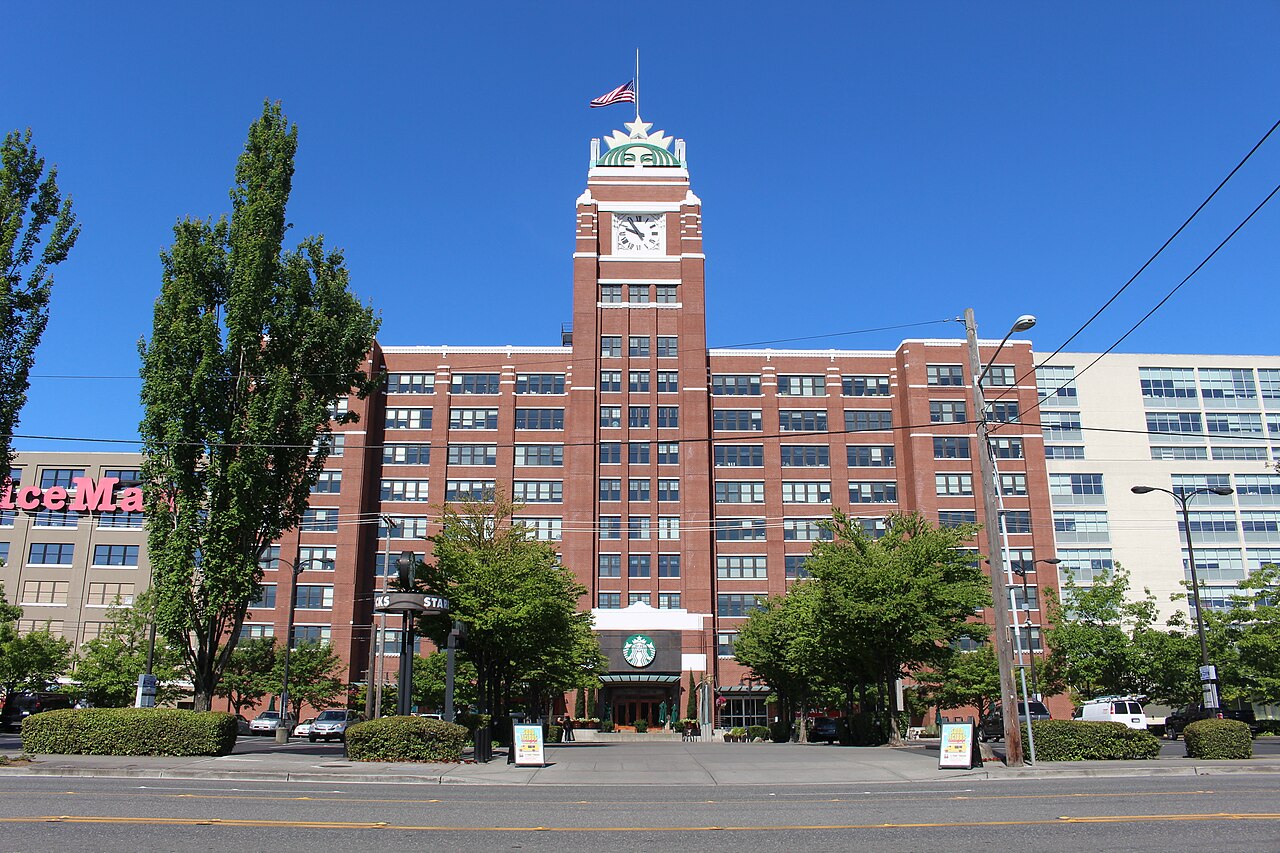
Starbucks Seattle store closing has raised eyebrows as the company adjusts its presence in urban areas. This move reflects broader trends in retail and consumer behavior.
Why is Starbucks closing stores?
Starbucks has announced the closure of its downtown Seattle store located at 1700 Seventh Ave, raising questions about the reasons behind this decision. The coffee giant has cited several factors contributing to the closures.
- Changing consumer behavior: With a shift towards remote work and digital ordering, foot traffic in urban areas has declined significantly.
- Economic challenges: High inflation and rising operational costs have affected profitability, forcing many retailers, including Starbucks, to reevaluate their locations.
- Safety concerns: Increased incidents of crime in certain neighborhoods have led to a less inviting atmosphere for customers and employees.
- Strategic realignment: Starbucks is focusing on stores that align better with its evolving business model, leading to the decision to close underperforming locations.
The Starbucks Seattle store closing reflects a broader trend in the retail industry, where companies are adapting to changes in consumer habits and economic pressures. As Starbucks continues to navigate these challenges, it remains committed to serving its customers in more sustainable and successful locations.
Impact on Seattle’s downtown
The recent decision to close the Starbucks Seattle store at 1700 Seventh Ave has raised concerns about the future of the downtown area. This closure is seen as a significant indicator of changing dynamics within the city, particularly in the wake of shifting consumer habits and urban development strategies.
Local business owners are feeling the impact, as foot traffic in the area may decline further. Many rely on nearby coffee shops and eateries to attract customers. The closure also raises questions about the overall economic health of Seattle’s downtown.
Residents and employees in the vicinity have expressed mixed feelings about the news:
- Loss of a Community Hub: Many viewed the store as a gathering place for meetings and social interactions.
- Concerns Over Employment: Employees are left uncertain about their futures with the closure.
- Changing Retail Landscape: The closing signals a shift in how people engage with businesses in urban settings.
This Starbucks Seattle store closing is a clear sign of change, prompting community discussions about the future of downtown Seattle.
Customer reactions to closure
As news broke about the Starbucks Seattle store closing at 1700 Seventh Ave, customers expressed a mix of surprise and disappointment. Many regulars gathered outside the store, sharing their fond memories and reflecting on the vibrant atmosphere the location once offered.
“This was my go-to place for coffee before work,” said Jane, a local office worker. “It’s hard to believe it’s closing. It feels like a part of our community is disappearing.”
Another customer, Mark, highlighted the significance of the store, stating, “Starbucks has always been more than just coffee for us. It’s a meeting place, a workspace, and a social hub.”
In response to the closure, some patrons took to social media, sharing their thoughts:
- “Can’t believe Starbucks is closing this location. It’s so iconic!”
- “Sad to see a piece of Seattle history go. What’s next?”
- “I hope they find a way to bring it back.”
The closure has sparked conversations about the future of retail in downtown Seattle.
Future of Starbucks in urban areas
The recent announcement regarding the Starbucks Seattle store closing has sparked discussions about the future of the brand in urban areas. As cities evolve, businesses must adapt to changing consumer behavior and preferences.
Experts suggest that Starbucks may need to rethink its urban strategy, particularly in locations where foot traffic has diminished. A few factors to consider include:
- Remote work trends: Many companies continue to embrace flexible work arrangements, leading to fewer customers in downtown areas during traditional work hours.
- Competition: Increased competition from local coffee shops and independent cafes has changed the landscape, offering consumers more choices.
- Changing consumer habits: Shifts toward online ordering and delivery services have resulted in a decline in sit-down patrons.
As Starbucks reevaluates its presence in urban settings, the focus may shift toward enhancing store experiences, exploring new formats, and integrating technology. The closure of the Seattle location might be a pivotal moment for the coffee giant as it navigates the changing dynamics of urban retail.
Retail trends affecting businesses
The recent decision by Starbucks to close its Seattle store at 1700 Seventh Ave highlights broader retail trends that are reshaping the landscape for many businesses. As urban centers experience shifts in consumer behavior, companies are re-evaluating their physical presence.
One significant trend is the increasing embrace of online shopping, which has led to a decline in foot traffic in traditional retail spaces. Many consumers now prefer the convenience of ordering from home, prompting businesses to adapt their strategies. Additionally, the rise of remote work has altered the daily routines of many customers who once frequented these stores during their commutes.
Another factor is the growing emphasis on sustainability and community engagement. Retailers are shifting focus to create experiences rather than just selling products, making it essential for them to assess the viability of their locations. As Starbucks Seattle store closing serves as a clear sign of change, it reflects these evolving retail dynamics.
- Online shopping growth
- Declining foot traffic
- Remote work impact
- Sustainability focus
What’s next for Starbucks?
As Starbucks navigates the evolving landscape of retail, the recent Starbucks Seattle store closing raises questions about the company’s future direction. Industry experts suggest that the coffee giant may shift its focus towards enhancing the customer experience in existing locations rather than expanding its footprint. This could involve investing in digital innovations and improving store layouts to foster a more inviting atmosphere.
Additionally, Starbucks might explore new formats, including smaller, more flexible stores that cater to on-the-go customers. Such a strategy could enable the brand to adapt to changing consumer behaviors, particularly as remote work continues to influence foot traffic in urban areas.
Moreover, there is a growing emphasis on sustainability and ethical sourcing, which could shape the company’s product offerings and operational practices. As Starbucks redefines its approach, stakeholders will be keenly observing how these changes impact brand loyalty and profitability in the long term.
Ultimately, the closure of the Seattle store may serve as a pivotal moment for Starbucks, signaling a broader transformation aimed at staying relevant in an increasingly competitive market.
The recent Starbucks Seattle store closing has sparked discussions about the company’s evolving strategy in urban areas. Many see the Starbucks Seattle store closing as a reflection of changing consumer habits and preferences.
via Wikimedia Commons
Read the original
You might also like
Decipher Burnt Scrolls: Proven Method Reveals Secrets Easily · OpenAI GPT-6: Best AI Model with Proven Lower Costs · Halloween The Game Update: Clear Balance Changes Explained