
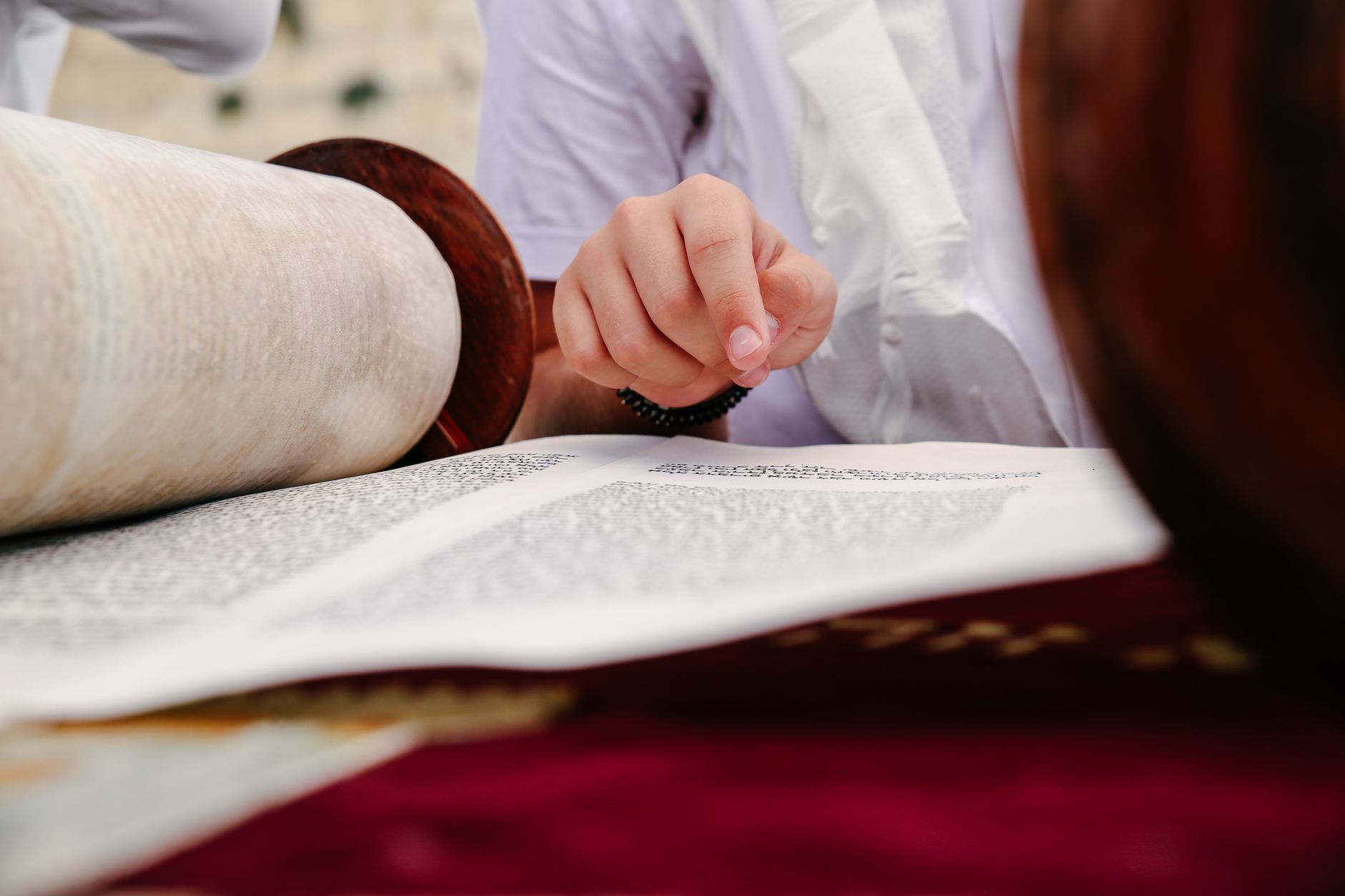
Scientists have developed a way to decipher burnt scrolls without unrolling them. This breakthrough in technology allows researchers to access ancient texts that were previously unreadable.
Introduction to Burnt Scrolls
The study of ancient texts has taken a dramatic turn with the advent of new technologies that allow researchers to decipher burnt scrolls without the need to physically unroll them. These scrolls, often remnants of historical libraries, provide invaluable insights into the cultures and knowledge of past civilizations. The dramatic damage caused by fire has traditionally rendered these artifacts nearly impossible to read, but recent advancements are changing that narrative.
Scientists have developed methods using advanced imaging techniques and machine learning to analyze the surfaces of these charred scrolls. This innovative approach enables them to identify the ink patterns and reconstruct the text in a non-invasive manner. As a result, scholars can now access previously lost literary works and historical documents, enriching our understanding of ancient societies.
Some of the most notable discoveries have come from the Herculaneum scrolls, which were buried and carbonized during the eruption of Mount Vesuvius in 79 AD. With this cutting-edge technology, researchers are uncovering secrets that have remained hidden for centuries, solidifying the importance of modern science in the field of archaeology.
The Science Behind Deciphering
Recent advancements in technology have transformed our ability to decipher burnt scrolls, allowing researchers to uncover ancient secrets without the need for physical unrolling. One innovative method involves the use of high-energy X-ray imaging, which captures detailed images of the scroll’s internal structure.
This non-invasive technique leverages the differences in density between the ink and the burnt papyrus, revealing text that has been hidden for centuries. Scientists can analyze the images using powerful algorithms that enhance legibility and reconstruct the original writings. This process has proven to be effective in deciphering even the most charred fragments.
In addition to imaging technologies, computer modeling plays a crucial role. By simulating the scroll’s original state, researchers can predict the layout of the text and identify letter formations. This combination of imaging and modeling allows for a more comprehensive understanding of the scroll’s content.
The ability to decipher burnt scrolls not only sheds light on historical texts but also opens up new avenues for exploring the culture and knowledge of ancient civilizations. As technology continues to advance, the potential for uncovering lost narratives becomes increasingly promising.
Historical Significance of the Scrolls
The historical significance of the scrolls cannot be overstated, as they offer a glimpse into the thoughts and cultures of ancient civilizations. Many of these scrolls, discovered in archaeological sites, have endured the ravages of time and fire, leaving them charred and fragile. However, recent advancements in technology have allowed researchers to decipher burnt scrolls without the need for unrolling them, preserving their integrity while revealing their contents.
These scrolls often contain valuable information, including religious texts, philosophical writings, and accounts of daily life, which are crucial for understanding the past. The ability to read these documents helps to reconstruct lost histories and offers insights into the cultural practices and beliefs of the time. As researchers continue to develop methods to decipher burnt scrolls, the potential for uncovering new historical narratives increases significantly.
Furthermore, the collaboration between historians, archaeologists, and scientists has led to innovative techniques that merge traditional scholarship with modern technology. This interdisciplinary approach not only enhances our understanding of ancient texts but also highlights the importance of preserving our shared heritage for future generations.
Challenges in Scroll Recovery
The recovery of burnt scrolls presents a myriad of challenges that have perplexed researchers for centuries. Despite advancements in technology, the physical condition of these ancient artifacts often complicates the deciphering process.
One primary issue is the fragility of the materials used in the scrolls. Many are composed of papyrus or parchment, which becomes brittle and prone to crumbling when exposed to heat. This makes traditional unrolling methods not only risky but often destructive.
Additionally, the ink used on these scrolls can degrade or become indistinguishable from the background material after burning. As a result, even with the best imaging technologies, identifying the text can be a daunting task.
The environment in which the scrolls were stored prior to discovery also plays a significant role in their condition. Factors such as humidity, temperature fluctuations, and exposure to elements have an impact on the scrolls’ integrity.
Researchers are now employing innovative techniques to decipher burnt scrolls without unrolling them. These methods aim to overcome the challenges posed by these ancient texts, revealing secrets that have been hidden for millennia.
Technological Innovations in Archaeology
Recent advancements in technology have significantly transformed the field of archaeology, particularly in the area of deciphering burnt scrolls. Innovative imaging techniques have emerged, allowing researchers to examine delicate artifacts without the need for physical unrolling. This has proven essential in preserving the integrity of these fragile remnants of history.
One of the most notable advancements is the use of multispectral imaging, which captures images at various wavelengths. This method enables scientists to detect subtle differences in ink and carbon composition that are not visible to the naked eye. As a result, archaeologists can effectively decipher burnt scrolls, revealing texts that have remained hidden for centuries.
Furthermore, artificial intelligence is playing a pivotal role in analyzing the data collected from these imaging techniques. Machine learning algorithms can identify patterns and reconstruct the original texts, offering insights that were previously thought to be lost forever.
These technological innovations not only enhance our understanding of ancient cultures but also pave the way for future discoveries. The ability to decipher burnt scrolls without unrolling them marks a significant leap forward in archaeological research.
Case Studies of Success
Recent advancements in technology have led to successful case studies demonstrating how researchers have been able to decipher burnt scrolls without the need for physical unrolling. These pioneering efforts showcase not only the effectiveness of modern methods but also the potential for future discoveries.
- Case Study 1: A team at the University of Kentucky utilized advanced imaging techniques to analyze the Herculaneum scrolls. By employing a combination of X-ray phase contrast tomographic imaging, they were able to reveal text that had been obscured for centuries.
- Case Study 2: Researchers in Italy applied machine learning algorithms to scanned images of burnt scrolls from the Villa of the Papyri. Their approach allowed them to reconstruct fragmented letters and words, leading to unprecedented readings.
- Case Study 3: In a collaboration with a tech company, scientists in France developed a software that enhances the visibility of ink on charred papyrus. This method led to deciphering passages from previously indecipherable texts.
These case studies highlight the transformative impact of technology in archaeology, providing hope for unlocking ancient knowledge preserved in burnt scrolls.
Future of Ancient Text Research
The future of ancient text research appears promising, particularly with the recent breakthroughs in techniques to decipher burnt scrolls. As scientists continue to refine their methods, a new era of understanding ancient civilizations is on the horizon. The integration of cutting-edge technology, such as 3D imaging and advanced computational algorithms, is reshaping how researchers approach fragile artifacts.
Experts predict that these advancements will lead to significant discoveries, unlocking secrets that have long remained hidden. As techniques evolve, the ability to read previously unreadable texts will expand, providing insights into cultural, religious, and historical contexts that have shaped human history.
Moreover, the collaboration between archaeologists and technologists is expected to foster innovative solutions to the challenges of preserving and interpreting ancient manuscripts. This synergy will not only enhance the study of burnt scrolls but also benefit a wider range of archaeological findings.
As interest in ancient texts grows, funding and resources are likely to increase, propelling further research initiatives. The future of ancient text research is bright, with the potential for groundbreaking discoveries that will deepen our understanding of the past.
Conclusion and Implications
In conclusion, the ability to decipher burnt scrolls without physically unrolling them marks a significant advancement in archaeological science. This innovative method not only preserves the integrity of fragile artifacts but also opens up new avenues for understanding ancient civilizations. The implications of this breakthrough extend beyond mere academic interest; they offer potential insights into lost histories and forgotten cultures.
As researchers continue to refine their techniques, the capacity to unlock the secrets held within these charred remnants will likely lead to a deeper appreciation of the complexities of human thought and expression throughout history. The integration of advanced imaging technologies with traditional archaeological methods may also pave the way for future discoveries.
Moreover, as the field evolves, it becomes increasingly essential to address the ethical considerations surrounding the treatment of such artifacts. Collaborative efforts between scientists, historians, and cultural custodians will ensure that the knowledge gained from deciphering burnt scrolls is used respectfully and responsibly.
Ultimately, the successful application of these methodologies heralds a new era in ancient text research, one that promises to enrich our understanding of the past while safeguarding the treasures of our shared human heritage.
Researchers have developed a groundbreaking technique that allows scholars to decipher burnt scrolls with unprecedented accuracy. This proven method reveals secrets easily, shedding light on ancient texts that were once thought to be lost forever.
Photo by Maor Attias on Pexels
Read the original
Related reading
OpenAI GPT-6: Best AI Model with Proven Lower Costs · Halloween The Game Update: Clear Balance Changes Explained · Oppo Find X10 Pro Max: The Best Proven Smartphone