
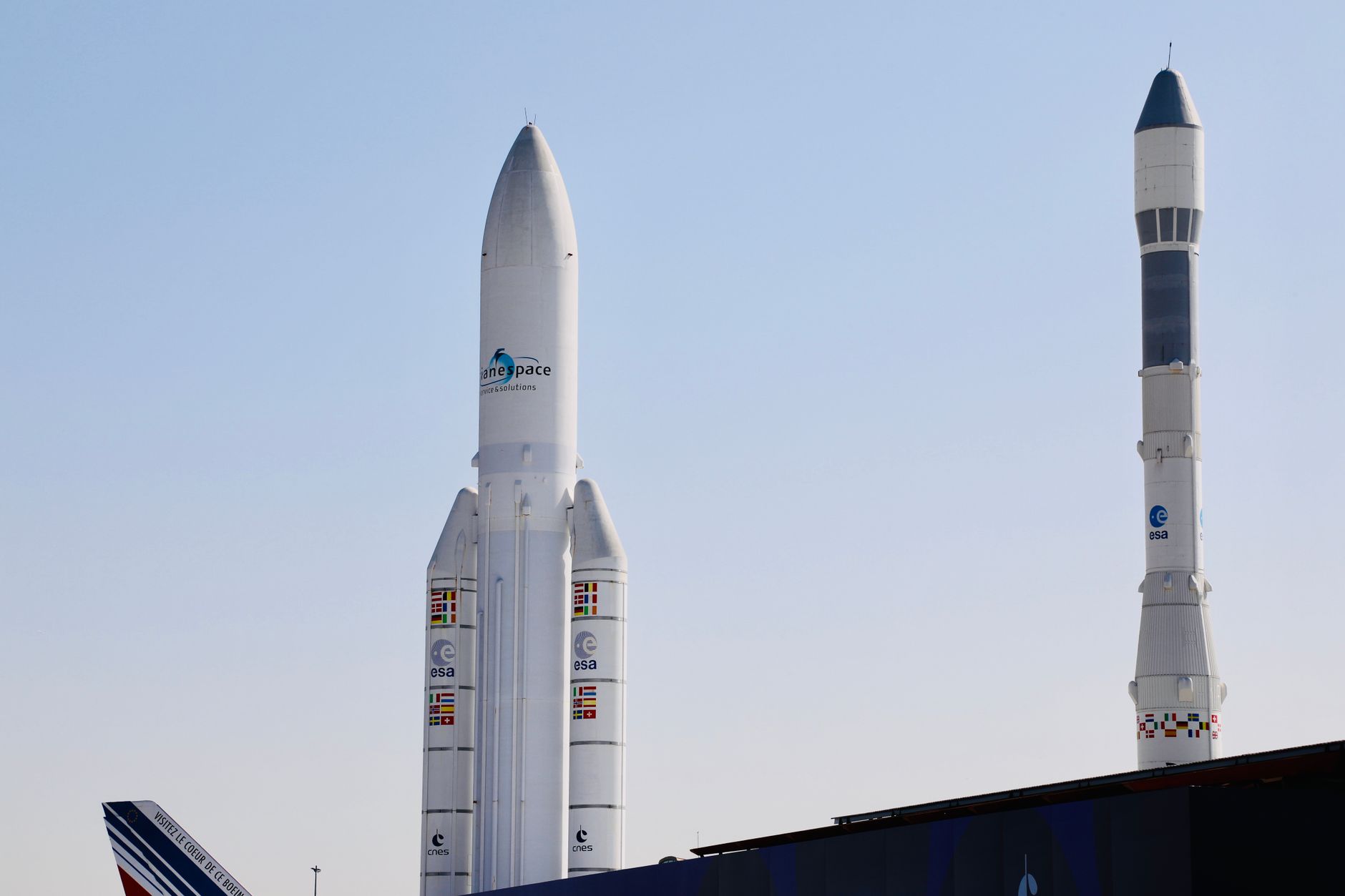
Nuri Rocket CubeSats have successfully contacted ground stations, marking a significant achievement for space technology. This milestone includes the long-awaited response from DaejeonSat-1.
Overview of Nuri Rocket
The Nuri rocket, developed by South Korea, has made significant strides in the field of space technology, particularly with its recent successful deployment of CubeSats. The CubeSats launched aboard the Nuri rocket are small, cost-effective satellites that have garnered attention for their innovative capabilities and potential applications.
On the latest mission, all nine CubeSats successfully established contact with ground stations, marking a major milestone for the Nuri rocket program. Among these, DaejeonSat-1 was notable for finally responding after initial communication challenges. This achievement underscores the reliability of the Nuri rocket and its payloads, which are designed to conduct various scientific and technological experiments in low Earth orbit.
Many experts believe that the Nuri rocket CubeSats represent a leap forward in satellite technology. They offer a platform for universities and research institutions to test new technologies without the high costs associated with larger satellites. As the demand for space-based data continues to grow, the capabilities of these CubeSats are expected to play a crucial role in future innovations.
Significance of CubeSats
The significance of CubeSats in modern space exploration cannot be overstated. These small, standardized satellites have revolutionized how we approach scientific research and technology testing in orbit.
CubeSats, like those launched aboard the Nuri Rocket, offer numerous advantages:
- Cost-Effective: Their compact size and simplicity allow for reduced production and launch costs, making space more accessible.
- Rapid Development: CubeSats can be developed quickly, enabling researchers to test new technologies and gather data within shorter timeframes.
- Scalability: Their modular design allows for easy expansion of missions by deploying multiple satellites, enhancing data collection and coverage.
- Educational Opportunities: Many universities utilize CubeSats for hands-on learning experiences, fostering the next generation of engineers and scientists.
As the recent success of the Nuri Rocket CubeSats demonstrates, these small satellites are not just a passing trend but rather a vital component of future space missions. Their ability to provide valuable data and insights will continue to shape the landscape of space exploration.
DaejeonSat-1 Response Details
Following the successful launch of the Nuri Rocket, the DaejeonSat-1 CubeSat has made headlines with its impressive response capabilities. This small satellite, part of the Nuri Rocket CubeSats mission, was designed to test various technologies and gather data on Earth’s environment.
After its deployment, engineers were eager to establish contact with DaejeonSat-1, which had been a key objective of the mission. Fortunately, the satellite transmitted its first signals back to ground stations within the expected timeframe, marking a significant achievement in the project.
The initial response from DaejeonSat-1 included:
- Telemetry Data: The satellite successfully sent back important telemetry information, allowing engineers to monitor its status.
- Environmental Observations: DaejeonSat-1 began capturing data related to atmospheric conditions.
- System Checks: The satellite performed self-diagnostic checks, confirming that its systems were functioning as intended.
Overall, the DaejeonSat-1 response has reinforced the potential of Nuri Rocket CubeSats in advancing space technology and contributing to scientific research.
Challenges in Satellite Communication
The deployment of the Nuri Rocket CubeSats has brought significant advancements in satellite communication, yet it is not without its challenges. As these small satellites enter orbit, they face several hurdles that can impact their effectiveness and reliability.
- Signal Interference: CubeSats often operate in crowded frequency bands, making them susceptible to interference from other satellites and terrestrial sources, which can disrupt communication.
- Limited Power Supply: Due to their compact size, CubeSats have restricted power resources, which can limit their operational capabilities and the complexity of their communication systems.
- Orbital Decay: Smaller satellites typically have shorter lifespans due to orbital decay, meaning that maintaining consistent communication with ground stations can become increasingly difficult over time.
- Data Transmission Rates: The limited size of CubeSats may result in lower data transmission rates compared to larger satellites, affecting the volume and quality of the data they can send back to Earth.
Despite these challenges, the Nuri Rocket CubeSats continue to pave the way for innovative solutions in satellite communication, demonstrating resilience in overcoming these obstacles.
Future of Korean Space Missions
The future of Korean space missions looks promising, particularly with the successful deployment of the Nuri Rocket CubeSats. These small satellites are paving the way for innovative approaches to space exploration and communication. As the country continues to invest in its space program, several key factors will influence the trajectory of future missions.
First, the performance of the CubeSats deployed by the Nuri Rocket will provide valuable data for upcoming projects. The successful contact with ground stations indicates that these small satellites can effectively contribute to scientific research and technological advancements.
- Increased Collaboration: Collaboration with international space agencies could enhance research capabilities.
- Technological Advancements: Continued development of satellite technology will help improve efficiency and functionality.
- Public Interest: Growing public interest in space exploration may lead to increased funding and support for future missions.
As South Korea solidifies its position in the global space community, the Nuri Rocket CubeSats represent not just an achievement but a stepping stone towards more ambitious endeavors in the cosmos.
Technological Innovations in Space
The recent success of the Nuri Rocket CubeSats marks a significant advancement in space technology, showcasing innovative approaches that are transforming the way we explore and utilize space. These small satellites, known for their cost-effectiveness and versatility, play a crucial role in various scientific and commercial applications.
One of the most notable technological innovations seen with the Nuri Rocket CubeSats is their ability to leverage miniaturized components without compromising performance. This has led to a surge in the development of advanced sensors and communication systems that are smaller, lighter, and more efficient.
Furthermore, the integration of artificial intelligence in CubeSat operations enhances data processing capabilities, allowing for real-time decision-making during missions. This capability is particularly beneficial in remote sensing applications, where timely data can significantly impact research outcomes.
Moreover, the modular design of these CubeSats allows for rapid prototyping and testing of new technologies, paving the way for future innovations in satellite design and performance. As the space industry continues to evolve, the Nuri Rocket CubeSats exemplify the potential for small satellites to contribute meaningfully to our understanding of space and Earth.
Impact on Global Space Industry
The successful deployment of the Nuri Rocket CubeSats has marked a significant milestone in the global space industry. These small yet powerful satellites are revolutionizing the way countries approach space exploration and technology development. By utilizing CubeSats, nations can reduce costs while enhancing their capabilities in satellite communication and data collection.
The Nuri Rocket CubeSats have not only demonstrated South Korea’s growing prowess in space technology but have also inspired other countries to invest in similar projects. The ability to launch multiple satellites in a single mission allows for more efficient use of resources and broadens the scope of scientific research.
- Cost-Effectiveness: The affordability of CubeSats enables even smaller nations to participate in space endeavors.
- Rapid Development: The streamlined design process allows for quicker innovation cycles.
- Collaboration Opportunities: Countries can work together on shared missions, fostering international partnerships.
As more nations recognize the potential of the Nuri Rocket CubeSats, the landscape of the global space industry is poised for transformative growth, paving the way for future innovations and discoveries.
Photo by Léa Claisse on Pexels