
AI skills for caregivers are becoming essential tools in today’s fast-paced environment. OpenAI’s recent workshops aim to equip caregivers with these skills to ease their workload and improve care delivery.
Understanding AI in Caregiving
As the role of technology in caregiving continues to evolve, understanding AI in caregiving becomes essential for those in the field. AI skills for caregivers can significantly enhance the efficiency and effectiveness of their daily tasks. Caregivers are increasingly turning to AI tools to assist with everything from scheduling to patient monitoring.
These tools can streamline processes and reduce the physical and emotional burden on caregivers. Some key AI capabilities include:
- Automated scheduling: AI can help manage appointments, ensuring that caregivers have more time to focus on patient care.
- Data analysis: AI systems can analyze patient data to provide insights that support better decision-making.
- Remote monitoring: AI-enabled devices can track patient health indicators, alerting caregivers to any concerning changes.
By embracing these AI skills for caregivers, they can alleviate some of the stress associated with their responsibilities, allowing for more meaningful interactions with those they care for.
Benefits of AI Skills for Caregivers
The integration of AI skills for caregivers offers numerous benefits, significantly enhancing their ability to provide care while reducing the burden of daily tasks. These skills empower caregivers to use technology efficiently, leading to improved patient outcomes and increased job satisfaction.
Some key benefits include:
- Time Management: AI tools can automate scheduling and reminders, allowing caregivers to prioritize essential tasks.
- Enhanced Communication: AI-driven applications facilitate better communication between caregivers, patients, and families, ensuring everyone stays informed.
- Data Analysis: AI can analyze patient data to identify trends, helping caregivers make informed decisions regarding care plans.
- Emotional Support: AI companions can provide interaction and engagement for patients, reducing feelings of loneliness and isolation.
By embracing AI skills for caregivers, professionals can not only lighten their workload but also enhance the overall quality of care provided to those in need.
How Workshops Enhance Caregiver Skills
Workshops dedicated to AI skills for caregivers are becoming essential in transforming the caregiving landscape. These interactive sessions provide caregivers with hands-on experience in utilizing AI technologies to streamline their daily tasks.
Participants learn how to implement various AI tools that can assist in several areas, including:
- Patient Monitoring: Using AI to track vital signs and health metrics in real-time.
- Scheduling: Automating appointment reminders and medication schedules for patients.
- Communication: Harnessing AI chatbots to facilitate communication with families and healthcare providers.
By enhancing their skill set through these workshops, caregivers can significantly lighten their workload, allowing them to focus more on personal interactions with their patients. Moreover, these sessions foster a community of support and shared learning among caregivers, empowering them to embrace technology with confidence. Ultimately, acquiring AI skills for caregivers not only improves efficiency but also enhances the quality of care provided to those in need.
Real-World Applications of AI
As the integration of technology into caregiving evolves, AI skills for caregivers are proving invaluable in real-world scenarios. Caregivers are utilizing AI-driven tools to streamline their daily tasks, enhancing efficiency and improving patient care.
One prominent application is the use of AI chatbots for communication. These tools can manage routine inquiries from families or patients, allowing caregivers to focus on more critical caregiving duties. Additionally, AI scheduling software helps optimize appointments and manage care plans, reducing the administrative burden on caregivers.
Moreover, AI can assist in monitoring patient health through wearable devices that alert caregivers to significant changes in condition. This proactive approach allows for timely interventions, ultimately leading to better patient outcomes.
Finally, data analytics powered by AI can identify trends in patient behavior, enabling caregivers to tailor their approaches to meet individual needs more effectively. In these ways, AI skills for caregivers are not just a trend but a necessity in modern caregiving.
The Future of AI in Caregiving
The future of AI in caregiving is poised to revolutionize the way caregivers manage their daily tasks. As technology advances, the integration of AI skills for caregivers will become increasingly essential. Caregivers will benefit from tools that streamline operations, enhance communication, and improve patient outcomes.
One promising development is the use of AI-driven applications that assist in scheduling and task management. These tools can analyze workloads, predict care needs, and optimize caregiver assignments. Additionally, AI can facilitate real-time monitoring of patients, allowing caregivers to respond promptly to changes in health status.
Moreover, AI-powered training programs are emerging, equipping caregivers with the necessary skills to effectively utilize these technologies. Workshops focusing on AI competencies not only improve efficiency but also foster a deeper understanding of patient care dynamics.
As caregivers embrace these innovations, the potential for enhanced support and reduced stress in caregiving roles will become increasingly attainable, paving the way for a brighter future in the industry.
Key Takeaways from OpenAI’s Workshops
OpenAI’s recent workshops highlighted several key takeaways for caregivers looking to enhance their AI skills. These sessions focused on practical applications of AI that can significantly lighten the day-to-day tasks of caregiving.
- Understanding AI Tools: Participants gained insights into various AI tools designed specifically for caregivers, learning how to integrate them into their routines.
- Improving Communication: AI skills help caregivers communicate more effectively with patients, utilizing voice recognition and language translation technologies.
- Streamlining Documentation: Workshops emphasized the use of AI for automating paperwork and managing patient records, saving valuable time.
- Enhancing Patient Monitoring: Caregivers were introduced to AI-driven monitoring systems that can alert them to potential issues, ensuring better patient care.
- Building Community: Networking opportunities allowed caregivers to share experiences and strategies for implementing AI skills in their work.
By adopting these AI skills for caregivers, they can improve efficiency and focus more on providing compassionate care.
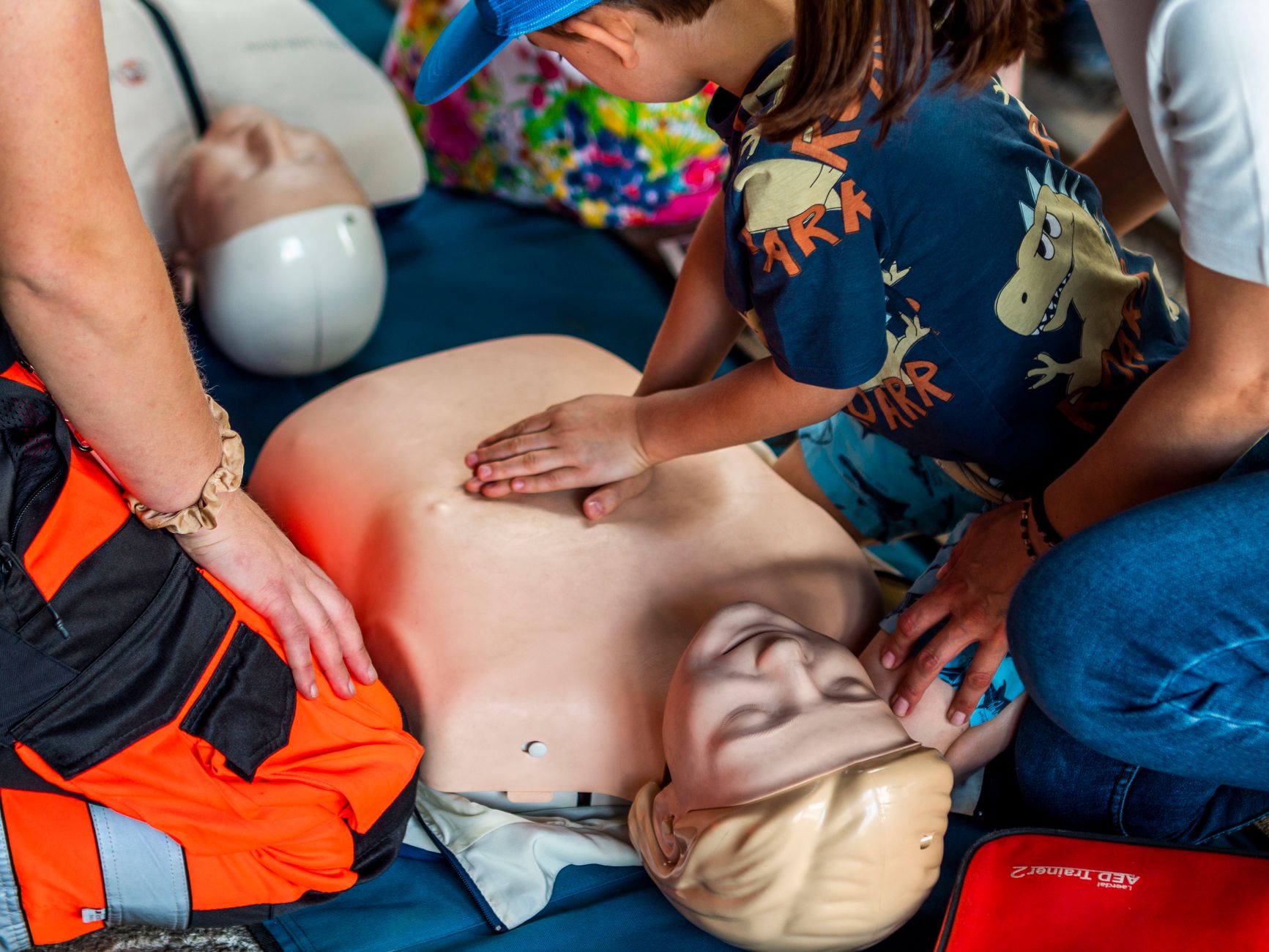
Photo by SHOX ART on Pexels