
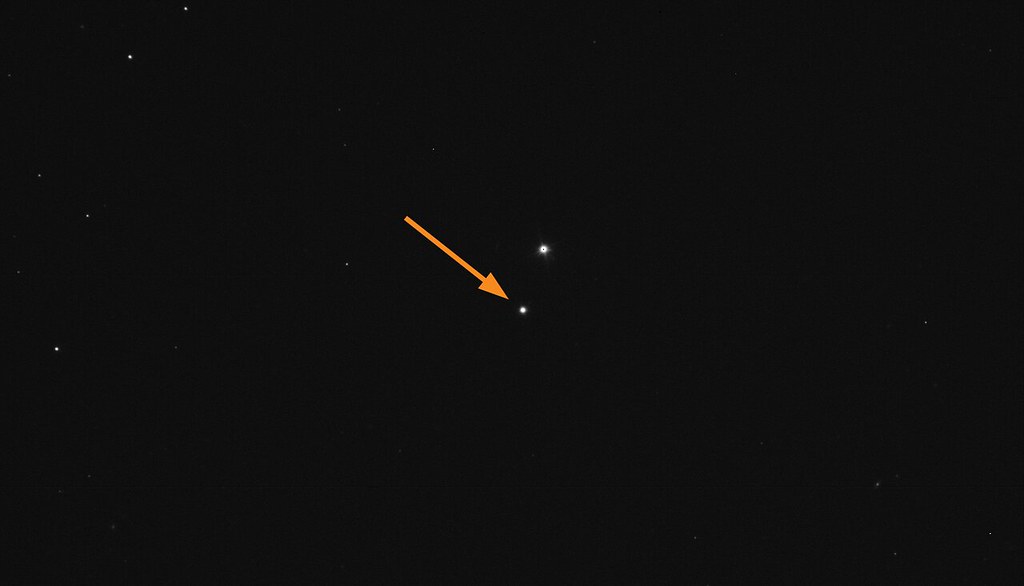
The asteroid deflection experiment has unveiled a chaotic scene in space. European spacecraft recently completed a mission that provides new insights into the effects of redirecting asteroids.
What is the Asteroid Deflection Experiment?
The asteroid deflection experiment is a groundbreaking initiative aimed at testing our ability to change the trajectory of a potentially hazardous asteroid. This experiment involves a spacecraft that intentionally collides with an asteroid to assess the effectiveness of kinetic impact as a deflection method.
Recent findings from a European spacecraft revealed an unexpected and chaotic scene following the experiment. The impact was designed to alter the asteroid’s orbit, but the aftermath showed a complexity that scientists had not anticipated.
- Initial observations indicated a significant change in the asteroid’s surface structure.
- Researchers noted unusual debris patterns that may complicate future deflection strategies.
- Continuous monitoring will be essential to understand the long-term effects of the impact.
As we learn more about these chaotic outcomes, the implications for planetary defense become increasingly crucial. This experiment is a pivotal step in safeguarding Earth from potential asteroid threats.
Key Objectives of the Mission
The recent asteroid deflection experiment aimed to test humanity’s ability to alter the trajectory of potentially hazardous asteroids. The key objectives of this mission included:
- Impact Assessment: To determine how effectively a spacecraft can change the path of an asteroid through kinetic impact.
- Data Collection: To gather extensive data on the asteroid’s structure and composition before and after the deflection attempt.
- Monitoring Techniques: To develop and refine monitoring techniques for tracking the asteroid’s trajectory post-impact.
- Public Awareness: To raise awareness about asteroid threats and the importance of planetary defense strategies.
- International Collaboration: To promote collaboration among global space agencies in the effort to protect Earth from potential asteroid collisions.
This asteroid deflection experiment is a crucial step in understanding how to safeguard our planet from future asteroid threats.
Findings from the European Spacecraft
The recent findings from the European spacecraft have unveiled a chaotic scene following the asteroid deflection experiment. Data collected during the mission reveals unexpected results that challenge previous assumptions about asteroid behavior.
One of the most significant discoveries is the presence of numerous fragments scattered around the asteroid’s original path. These fragments are believed to be the result of the impact, raising questions about the effectiveness of deflection techniques. Scientists are now analyzing the size and composition of these debris pieces to better understand their implications for future asteroid deflection experiments.
Additionally, the spacecraft detected unusual changes in the asteroid’s surface temperature, indicating possible alterations in its physical properties. As researchers continue to sift through this data, they aim to refine their models of asteroid dynamics and improve strategic planning for planetary defense initiatives.
- Fractured surface detected
- Debris analysis ongoing
- Temperature fluctuations observed
Implications for Future Space Missions
The recent findings from the asteroid deflection experiment have significant implications for future space missions. As scientists analyze the chaotic scene revealed by the European spacecraft, they are beginning to understand the complexities involved in altering an asteroid’s trajectory.
Experts believe that this experiment could pave the way for more advanced techniques in planetary defense. The data collected will help refine models related to asteroid behavior and the effectiveness of deflection strategies. Additionally, the experiment highlights the importance of international collaboration in space exploration and defense initiatives.
As we continue to face potential threats from space, the insights gained from the asteroid deflection experiment will inform future missions aimed at detecting and mitigating these dangers. This groundbreaking work not only enhances our understanding of asteroids but also reinforces the need for preparedness in the face of cosmic challenges.
Expert Reactions to the Results
Experts have expressed a mix of surprise and intrigue following the recent results of the asteroid deflection experiment. Dr. Emily Carter, a leading astrophysicist, noted the chaotic scene unveiled by the European spacecraft, stating, “This was not the outcome we anticipated. The fragmentation observed poses new questions about the effectiveness of our deflection strategies.”
Meanwhile, Professor James Liu, a planetary scientist, emphasized the importance of this experiment for future space missions. “Understanding the dynamics of asteroid material post-deflection is crucial. We must adapt our approaches based on these findings,” he remarked.
Others in the field have called for further research to analyze the debris’ behavior. Dr. Sarah Thompson commented, “This chaotic aftermath could provide insights into how we might enhance our asteroid deflection techniques in the future.” The reactions highlight a growing consensus on the need for continued exploration and study in planetary defense strategies.
Technological Innovations Used
The recent asteroid deflection experiment has showcased a range of technological innovations that played a crucial role in the mission’s success. These advancements not only enhanced data collection but also improved the overall effectiveness of the deflection strategy.
Key technologies employed during the experiment included:
- Advanced Imaging Systems: High-resolution cameras captured detailed images of the asteroid’s surface pre- and post-deflection.
- Telemetry Systems: Real-time data transmission allowed scientists to monitor the asteroid’s trajectory and gather immediate feedback on the deflection impact.
- Artificial Intelligence: AI algorithms processed vast amounts of data, identifying patterns and predicting the asteroid’s behavior after the deflection.
- Robust Propulsion Mechanisms: Innovative propulsion technologies enabled precise adjustments to the spacecraft’s trajectory, ensuring optimal engagement with the asteroid.
These innovations are paving the way for future asteroid deflection experiments and enhancing our capabilities to protect Earth from potential threats.
Next Steps for Asteroid Research
The recent findings from the asteroid deflection experiment have opened new avenues for research in planetary defense. Scientists are now focused on a series of next steps aimed at deepening our understanding of asteroids and their behavior following deflection attempts.
- Data Analysis: Researchers will meticulously analyze the data collected to assess the impact of the deflection experiment on the asteroid’s trajectory.
- Model Refinement: Improved models will be developed to predict outcomes of future deflection attempts, incorporating chaotic behavior observed in recent findings.
- Collaboration Efforts: Increased collaboration between international space agencies is expected to tackle the challenges posed by potentially hazardous asteroids.
- Public Engagement: Educating the public about the importance of asteroid deflection experiments will be prioritized to garner support for future missions.
As the field advances, these next steps will be crucial for enhancing our planetary defense strategies.
Public Interest in Asteroid Defense
The recent asteroid deflection experiment has sparked significant public interest, highlighting the importance of planetary defense against potential asteroid threats. As the awareness of near-Earth objects grows, many individuals are eager to understand the implications of this groundbreaking research.
Surveys indicate that a majority of the population supports increased funding for space missions dedicated to asteroid tracking and deflection techniques. The chaotic scene revealed by the European spacecraft has captured the imagination of many, leading to discussions about how humanity can protect itself from future collisions.
In addition, educational programs have emerged, aiming to inform the public about the science behind asteroid defense. These initiatives encourage community engagement and foster a sense of responsibility for planetary safety.
As interest in space exploration continues to surge, it is clear that the outcomes of the asteroid deflection experiment will play a crucial role in shaping future policies and research endeavors.
By European Southern Observatory via Openverse