
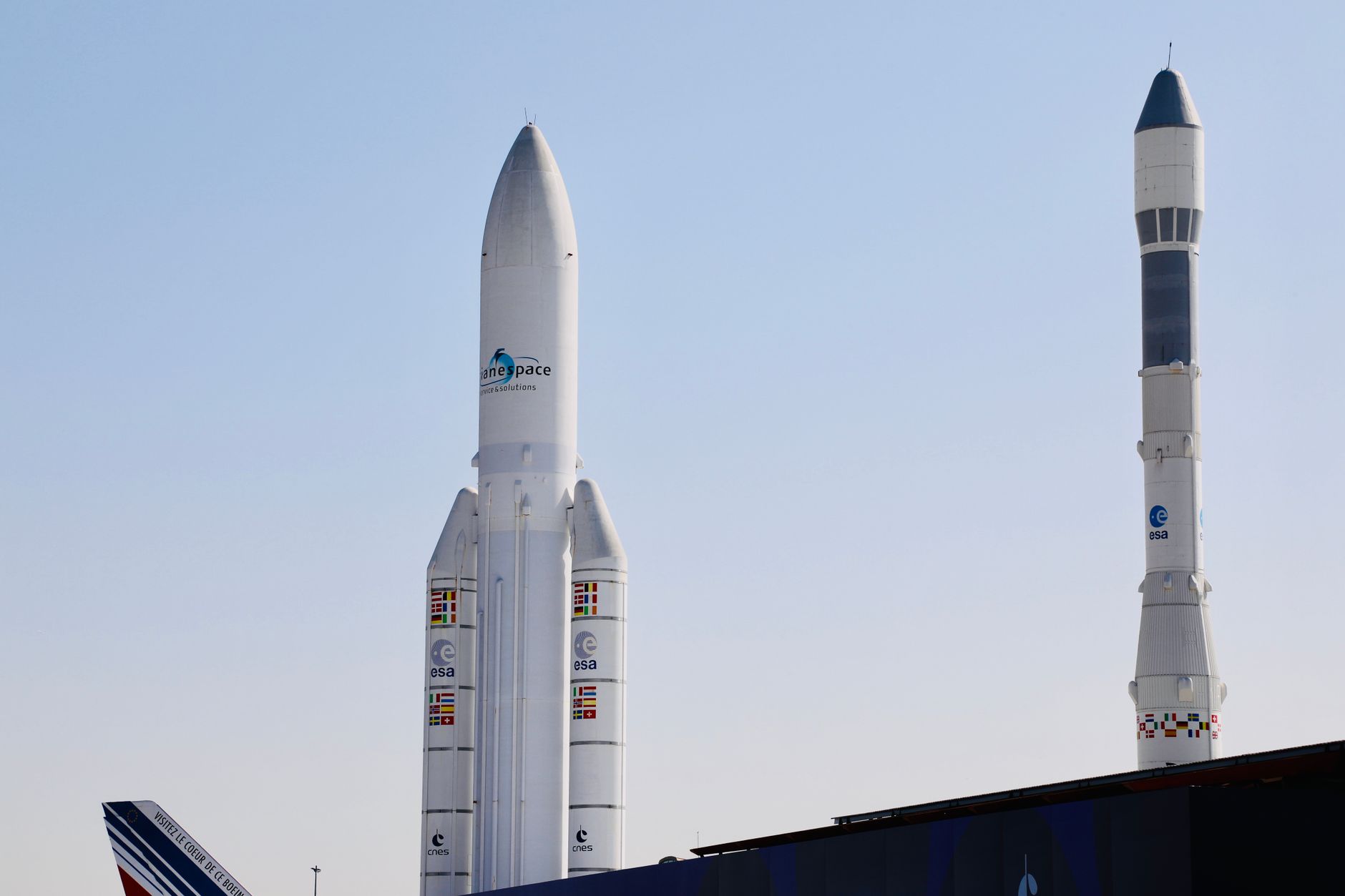
China commercial rocket has successfully sent four satellites into orbit, showcasing the advancements in privately-developed space technology.
Overview of China’s Commercial Rocket
China’s commercial rocket sector has seen remarkable advancements in recent years, marking a significant milestone in the country’s space exploration efforts. In a recent launch, a privately-developed commercial rocket successfully placed four satellites into orbit, demonstrating the growing capabilities of China’s emerging space industry.
The rapid development of these rockets is indicative of a broader trend, as private companies in China increasingly participate in space missions traditionally dominated by state-owned enterprises. This shift is not only fostering innovation but is also contributing to a competitive environment that encourages technological breakthroughs.
Key factors driving the success of China’s commercial rocket initiatives include:
- Investment: Increased funding from both private and government sources has bolstered research and development efforts.
- Collaboration: Partnerships between private companies and academic institutions have accelerated technological advancements.
- Market Demand: The rising need for satellite deployment has created opportunities for commercial entities to thrive.
As the global space race intensifies, China’s commercial rocket segment is poised to play a crucial role, not only in meeting domestic needs but also in contributing to international satellite deployment efforts. The successful launch reinforces the potential of China’s commercial rocket technology to reshape the future of space exploration.
Successful Satellite Launch
In a remarkable achievement, China’s commercial rocket successfully launched four satellites into orbit, marking a significant milestone for the nation’s burgeoning space industry. This latest mission underscores the rapid advancements made by private aerospace companies in China, which have been gaining momentum in recent years.
The launch took place from a facility in the northern region of China, where the rocket was designed and developed by a local private company. This successful satellite launch demonstrates not only the technical capabilities of the Chinese aerospace sector but also the increasing competitiveness of its commercial ventures on a global scale.
The four satellites deployed during the mission are intended for various applications, including Earth observation and communications. This diversity in payloads highlights the growing demand for satellite services in both commercial and governmental sectors.
Key highlights of the launch include:
- The rocket achieved a nominal flight profile, showcasing its reliability.
- Ground control reported successful communication with the satellites shortly after deployment.
- This mission marks a significant step forward for China’s commercial rocket initiatives.
Experts believe that this success will encourage further investment in China’s commercial rocket sector, paving the way for more ambitious projects in the near future.
Impact on Private Space Industry
The recent success of China’s commercial rocket in launching four satellites has significant implications for the private space industry. This achievement highlights the growing capabilities of private companies in the aerospace sector, which have increasingly begun to compete with state-run organizations.
With the rapid advancements in technology and innovation, the private space industry is poised to expand its role in satellite deployment and other space missions. The success of China’s commercial rocket serves as a catalyst for further investments and interest in the sector. Some of the potential impacts include:
- Increased Competition: The success of private rockets can encourage new players to enter the market, fostering competition that can lead to lower costs and improved services.
- Job Creation: As private firms expand their operations, job opportunities in engineering, manufacturing, and support services will likely increase.
- Innovation Acceleration: The drive for profitability may encourage technological advancements, resulting in more efficient and capable rockets.
- Global Partnerships: Success in launching satellites can lead to international collaborations, enabling shared resources and expertise.
Overall, the triumph of China’s commercial rocket not only enhances the nation’s reputation in space exploration but also signals a promising future for the global private space industry.
Future of Space Exploration in China
The future of space exploration in China looks promising, particularly with the rise of the China commercial rocket industry. As private companies continue to develop innovative rocket technologies, the landscape of space travel is rapidly evolving.
China’s commitment to enhancing its space capabilities is evident in several key areas:
- Technological Advancements: The development of high-performance rockets is enabling faster and more efficient satellite launches.
- Increased Investment: Both government and private sector investments are pouring into research and development, fostering innovation.
- International Collaboration: Partnerships with foreign companies and space agencies are expanding the reach and capabilities of China’s space missions.
- Focus on Sustainability: New designs are integrating eco-friendly technologies, addressing concerns about space debris and environmental impact.
As China’s commercial rocket initiatives gain momentum, they are likely to play a significant role in the global space economy. With ambitious plans for lunar exploration and potential manned missions to Mars, the future looks bright. This rapid progression not only showcases China’s technological prowess but also positions it as a key player in the international space arena.
The China commercial rocket has demonstrated its reliability by successfully launching multiple satellites within a short timeframe. This achievement marks a significant milestone for the country’s burgeoning space industry, showcasing the potential of the China commercial rocket in future missions.
Photo by Léa Claisse on Pexels