
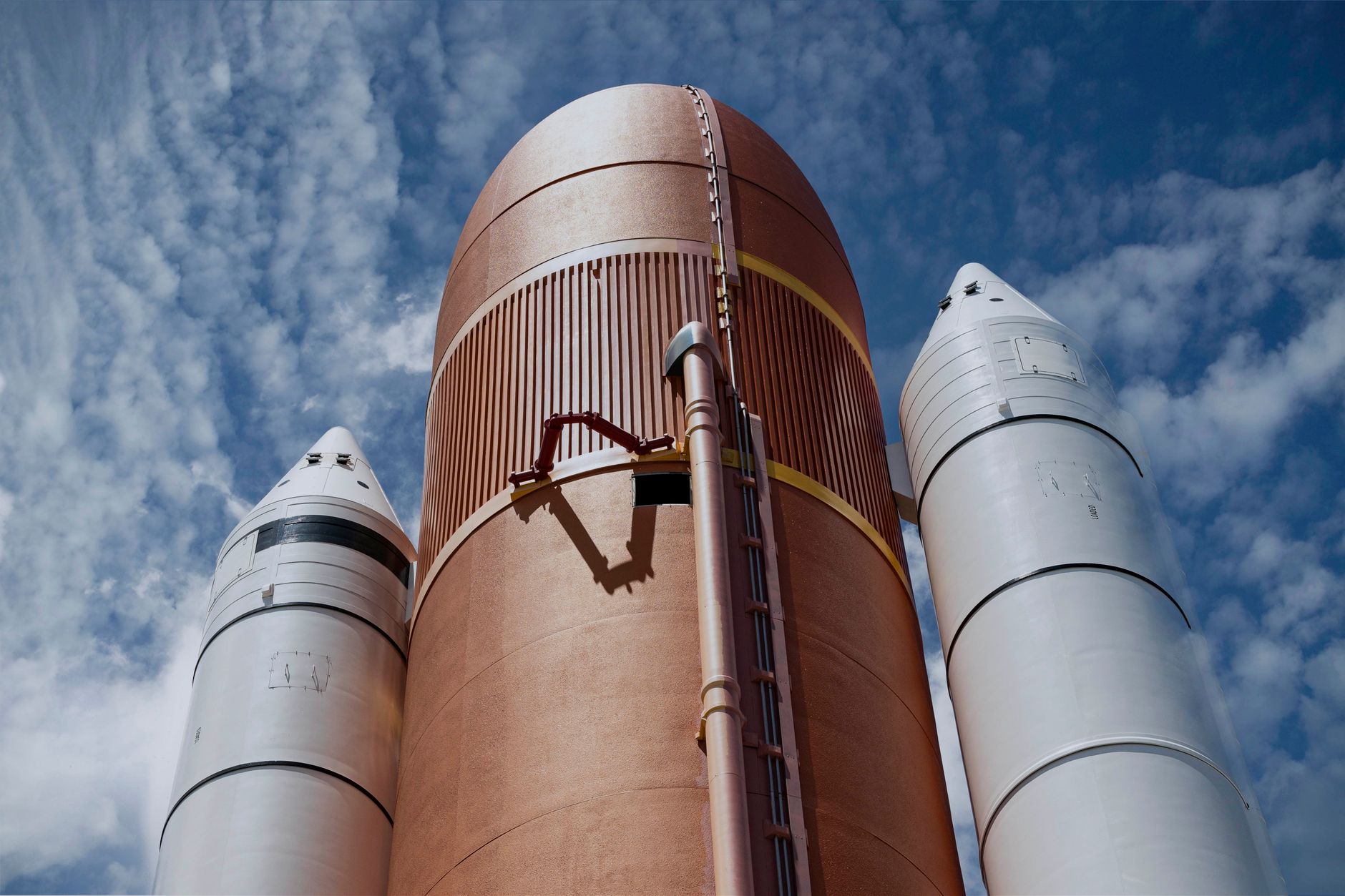
European small launch vehicle competition is intensifying as Spectrum successfully enters orbit, establishing itself as a frontrunner in the European space market.
Overview of the European small launch vehicle market
The European small launch vehicle market has seen significant growth and innovation in recent years. As the demand for satellite deployment increases, companies are focusing on developing efficient and cost-effective solutions.
Several key players have emerged in this competitive landscape, highlighting the region’s commitment to advancing its space capabilities. Some of the notable contributors include:
- Spectrum: Recently achieving a successful orbital launch, Spectrum has positioned itself as a frontrunner in the European small launch vehicle competition.
- Other startups and established aerospace firms: are also making strides, investing in technology to cater to the growing needs of satellite operators.
- Collaboration with European Space Agency (ESA): fosters a supportive environment for innovation and development, enhancing the market’s overall growth.
As the European small launch vehicle sector continues to evolve, it plays a crucial role in strengthening the region’s position in the global space industry, addressing both commercial and scientific needs.
Spectrum’s successful launch details
The recent launch of Spectrum marks a significant milestone in the European small launch vehicle sector. On October 5, 2023, the vehicle successfully entered orbit from a site in southern France, demonstrating its reliability and efficiency in delivering payloads to low Earth orbit.
Spectrum, developed by a leading European aerospace company, aims to cater to the growing demand for small satellite launches. With its innovative design and advanced technology, it positions itself as a frontrunner in the competitive landscape of European small launch vehicles.
During the launch, Spectrum deployed several test satellites, showcasing its capacity to handle multiple payloads efficiently. Key details of the launch include:
- Launch Date: October 5, 2023
- Launch Site: Southern France
- Payload Capacity: Up to 300 kg to low Earth orbit
- Launch Duration: Approximately 15 minutes
This successful mission not only enhances Spectrum’s credibility but also reinforces the viability of the European small launch vehicle market as a whole.
Impact on the space industry
The emergence of the European small launch vehicle market has significantly impacted the space industry, fostering innovation and competition. As demand for satellite deployment grows, these vehicles are becoming essential for both commercial and governmental projects.
One of the most notable shifts is the increased accessibility for smaller companies and startups. The affordability and flexibility of European small launch vehicles allow businesses to enter the space sector without the prohibitive costs associated with traditional launch options. This democratization of space access is leading to a surge in satellite development and deployment, particularly in the realms of telecommunications and Earth observation.
Furthermore, as the European small launch vehicle market expands, it enhances collaboration among nations. Countries within Europe are pooling resources and expertise, resulting in joint missions and shared technological advancements. This cooperative spirit not only strengthens the European space industry but also positions it as a competitive player on the global stage, capable of meeting diverse launch needs.
Ultimately, the ongoing success of European small launch vehicles promises to reshape the landscape of space exploration and utilization.
Comparative analysis of competitors
The competitive landscape for the European small launch vehicle market is rapidly evolving, with several key players vying for dominance. Notably, companies like Rocket Factory Augsburg and Arianespace are also making significant strides in offering flexible and cost-effective launch solutions.
While Spectrum has established itself as a frontrunner following its recent successful launch, it faces challenges from competitors who are equally focused on innovation and efficiency. A comparative analysis reveals that:
- Rocket Factory Augsburg focuses on modular designs, allowing for quick adaptations to client needs.
- Arianespace leverages its extensive experience in the industry, offering reliability alongside competitive pricing.
- Skyrora aims to use eco-friendly propellants, appealing to an increasingly environmentally conscious market.
As the European small launch vehicle sector continues to mature, the emphasis on sustainable practices and cost efficiency is likely to shape future developments, ensuring a dynamic and competitive environment.
Future of small launch vehicles in Europe
The future of small launch vehicles in Europe looks promising, with increasing demand for affordable and reliable access to space. As the market evolves, several factors will shape the trajectory of European small launch vehicle development.
Key trends include:
- Innovative Technologies: Continued advancements in propulsion and materials science are expected to enhance the performance and reduce costs of small launch vehicles.
- Partnerships and Collaborations: Increased collaboration between government agencies, private companies, and research institutions will likely drive innovation and streamline operations.
- Regulatory Frameworks: Establishing clear regulatory guidelines will be crucial for fostering a competitive environment and ensuring safety in the space industry.
- Market Diversification: The growing demand for satellite launches for communication, Earth observation, and scientific research will expand the market for European small launch vehicles.
As these trends unfold, the European small launch vehicle sector is poised for significant growth, solidifying its position in the global space landscape.
Technological advancements in space launches
Recent technological advancements have significantly impacted the landscape of European small launch vehicles, enhancing their capabilities and efficiency. Innovations in propulsion systems, materials science, and satellite technology have combined to create a new era of space exploration.
Key advancements include:
- Reusable Rocket Technology: This approach reduces costs and minimizes waste, making launches more sustainable over time.
- Advanced Payload Integration: Improved mechanisms allow for the accommodation of various satellite sizes and configurations, catering to diverse customer needs.
- Miniaturization of Electronics: Smaller, more powerful satellites can now be launched, increasing the viability of missions in emerging sectors such as Earth observation and telecommunications.
- Automated Launch Procedures: Enhanced automation ensures more reliable and timely launches, reducing the potential for human error.
As these technological developments continue to unfold, the European small launch vehicle market is poised for further growth, establishing itself as a competitive player on the global stage.
Conclusion: The road ahead for Spectrum
As the European small launch vehicle market continues to evolve, Spectrum has clearly established itself as a frontrunner in the competition. With its recent successful launch, the company has demonstrated not only its technical capabilities but also its potential to reshape the future of space access in Europe.
The road ahead for Spectrum is filled with opportunities and challenges. In order to maintain its competitive edge, the company must focus on several key areas:
- Innovation: Continuously improving vehicle design and propulsion systems will be essential for maintaining efficiency and reducing costs.
- Collaboration: Partnering with governments and private enterprises will enhance capabilities and expand market reach.
- Regulatory Navigation: Successfully navigating the complex regulatory landscape will be crucial for timely launches and mission success.
Ultimately, the proven success of Spectrum in the European small launch vehicle sector sets a strong precedent for future ventures, paving the way for continued advancements and growth within the industry.
Photo by john mckenna on Pexels