
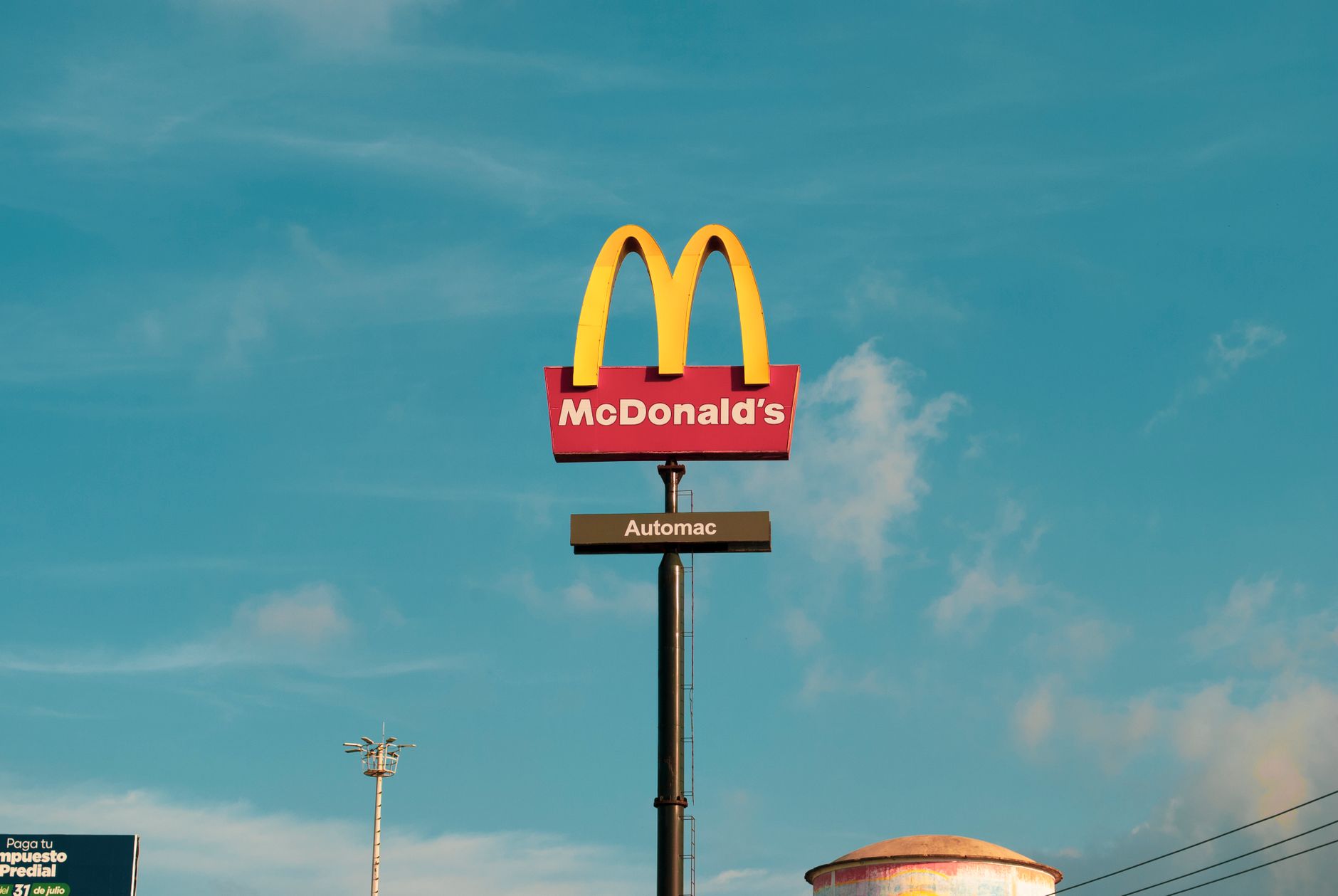
Fast-food chain nostalgia continues to evoke memories of a time when American roads were lit up by its vibrant presence. This article delves into the enduring impact of this iconic brand.
The Rise and Fall of Fast-Food Chains
The fast-food industry has seen significant changes over the decades, with many iconic chains rising to fame only to fade into obscurity. This evolution has left a lasting impact on American culture, creating a sense of fast-food chain nostalgia among those who remember the heyday of these establishments.
In the 1950s and 60s, drive-in restaurants became a staple of American life, offering convenience and quick meals for families on the go. Chains such as A&W and Howard Johnson’s thrived during this era, becoming synonymous with the American road trip. However, as consumer preferences shifted towards healthier options and fast-casual dining, many of these beloved chains struggled to adapt.
Today, the remnants of these once-thriving restaurants are often remembered fondly by those who grew up with them. Many people reminisce about the unique experiences they offered, reflecting on a time when fast food was not just a meal but a cherished part of American culture.
Cultural Significance of Fast Food
The cultural significance of fast food extends far beyond mere convenience and calorie count. For many, fast-food chain nostalgia evokes memories of family outings, road trips, and late-night snacks, creating a sense of belonging and comfort.
These establishments played a pivotal role in shaping American culture during the mid-20th century. They became gathering places for communities, where shared experiences were formed over burgers and fries. The unique branding and mascots of famous chains often became icons of their time, leaving lasting impressions on generations.
The fast-food phenomenon also influenced popular culture, inspiring countless movies, songs, and television shows. As society has shifted, these chains have remained a nostalgic touchstone for those who grew up in an era defined by their presence.
As people reminisce about the simplicity and joy of their favorite fast-food meals, it’s evident that the impact of these chains is still felt today, reminding us of a time when life seemed simpler.
Fast-food Chain Nostalgia in Modern Society
In modern society, fast-food chain nostalgia plays a significant role in how people remember their childhood and formative years. Many individuals reflect on the joy of visiting their favorite fast-food restaurants, sharing meals with family and friends, and experiencing the unique ambiance of these establishments.
This longing for simpler times is often sparked by the revival of classic menu items or promotional campaigns that evoke memories of the past. The iconic imagery of vintage advertisements and colorful packaging brings a wave of sentimentality, reminding many of carefree days spent enjoying fries and milkshakes.
Social media platforms have further amplified this nostalgia, as users share photos and stories about their cherished fast-food experiences. As a result, a new generation is discovering the allure of these once-dominant chains, leading to a renewed interest in the cultural impact they had on society.
Ultimately, fast-food chain nostalgia not only connects individuals to their personal histories but also highlights the enduring legacy of these establishments in American culture.
How Fast Food Shaped American Eating Habits
The evolution of fast-food chains has significantly shaped American eating habits, creating a lasting impact still felt today. In the mid-20th century, these establishments revolutionized the way people approached meals, emphasizing speed, convenience, and affordability.
Many families began to view dining out as a regular option rather than an occasional treat, which was a shift from previous norms. This change in perspective laid the groundwork for a culture where eating on the go became commonplace.
As fast-food chains proliferated, they introduced standardized menus and larger portions, catering to the changing tastes of the American public. The nostalgia surrounding these iconic brands often evokes memories of childhood road trips and family outings, reinforcing their role in shaping collective food experiences.
Today, the legacy of fast-food chain nostalgia continues to influence new generations, as they seek out the flavors of the past while navigating a changing culinary landscape. The fast-food industry remains a potent symbol of American culture and its evolving relationship with food.
Reviving the Memories of a Bygone Era
As the golden arches and colorful clown faces fade from the American landscape, the nostalgia for fast-food chains persists in the hearts of many. These establishments were more than just places to grab a quick meal; they were a significant part of childhood memories and family outings.
Many people fondly recall:
- The thrill of visiting a drive-thru on a Friday night.
- Exciting birthday parties hosted in the vibrant play areas.
- Collecting toys from the latest movie promotions with friends.
This sense of nostalgia highlights how fast-food chains offered a unique community experience, often bringing families together over shared meals and laughter. Although these restaurants may have changed or disappeared, their influence remains strong, reminding us of simpler times.
Today, fast-food chain nostalgia inspires a resurgence in retro-themed diners and pop-up events, allowing a new generation to experience the charm of the past while celebrating the enduring impact of these once-iconic establishments.
For many, fast-food chain nostalgia evokes memories of childhood road trips and family outings, serving as a comforting reminder of simpler times. This sentiment has influenced modern marketing strategies, as brands tap into fast-food chain nostalgia to connect with consumers on a deeper emotional level.
Photo by Samuel Figueroa on Pexels