
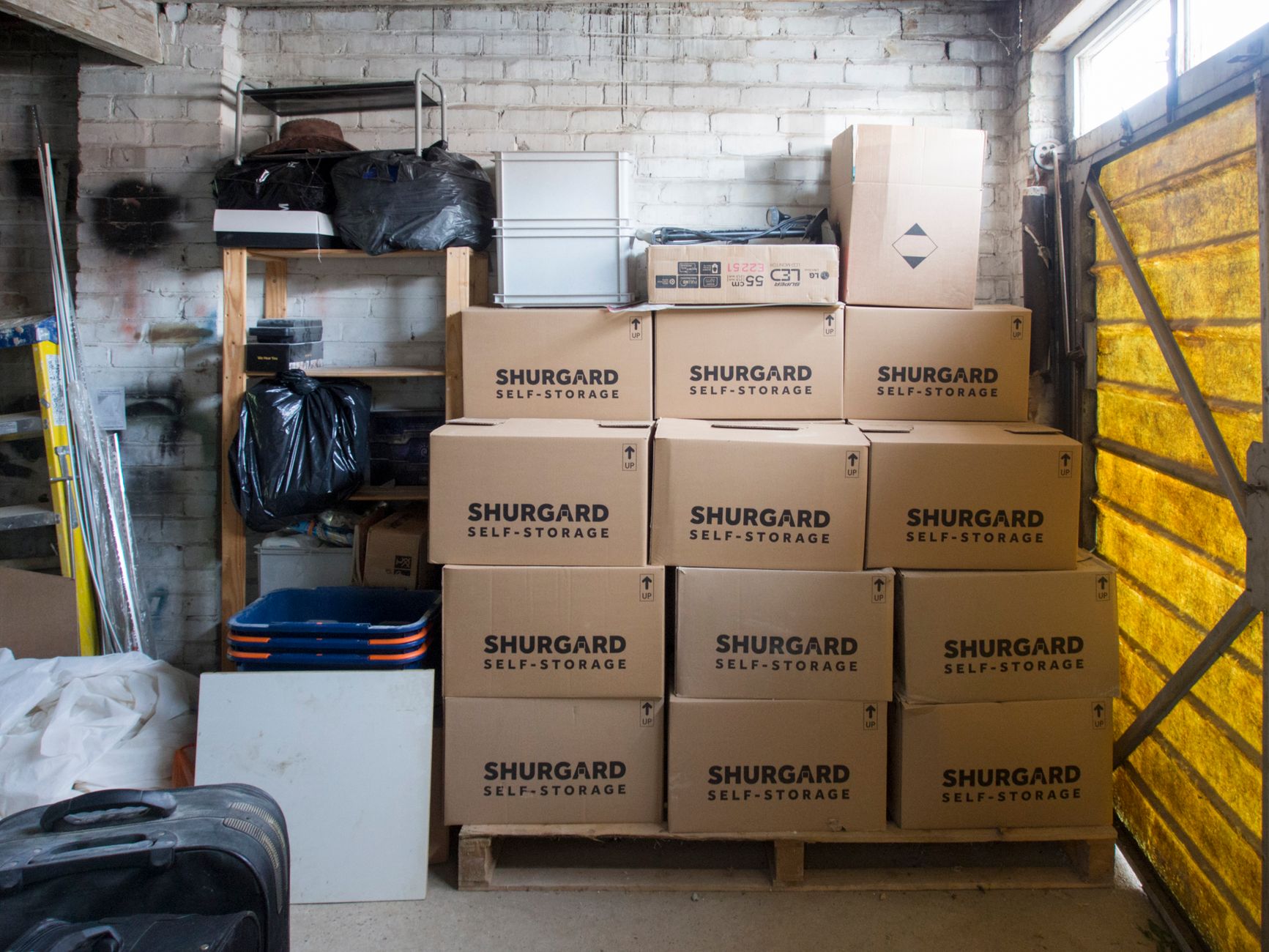
Major life changes often bring a period of movement, planning, and reorganization. Relocating to a new home, preparing for retirement, settling an estate, welcoming a new family member, or managing a change in ownership can require valuable possessions to be moved or temporarily separated from everyday belongings. During these periods, private storage can give individuals and families a dedicated place for jewelry, important records, collectibles, heirlooms, and other valuable items while they establish their next long-term arrangement.
What’s Covered
- Why Do Life Transitions Create New Storage Requirements?
- Which Life Events May Benefit From Dedicated Storage?
- How Can Storage Simplify a Home Move?
- What Items Are Commonly Stored During Transitions?
- Can Downsizing Become Easier With Dedicated Storage?
- How Does Storage Support Estate Organization?
- Can Families Use Storage During Home Renovations?
- What Role Does Documentation Play During a Transition?
- How Can Families Preserve Heirlooms While Responsibilities Change?
- Does Dedicated Storage Help With Temporary Relocation?
- How Can Valuable Collections Remain Organized Through Change?
- What Makes a Good Transition Storage Plan?
- How Can Storage Support Future Decisions?
- Conclusion
Why Do Life Transitions Create New Storage Requirements?
A change in circumstances can alter how possessions are used and where they are kept. Items that were once displayed or stored at home may need a different arrangement during a move or period of reorganization.
Temporary storage does not have to mean an unplanned solution. A dedicated space can help keep important possessions together while other household or administrative decisions are being completed. This creates a smoother transition and allows valuable belongings to remain clearly identified.
Which Life Events May Benefit From Dedicated Storage?
Several common transitions can make organized storage particularly useful. Moving between homes, downsizing after retirement, preparing an inherited collection, renovating a property, or combining two households can all involve substantial changes to personal belongings.
During these periods, families may need time to decide which items will be retained, passed to relatives, displayed, or placed into long-term storage. A dedicated storage arrangement provides flexibility while those decisions are being made.
How Can Storage Simplify a Home Move?
Moving can involve many boxes, furniture pieces, documents, and personal possessions. Valuable items can easily become mixed with routine household belongings during the process.
Keeping selected valuables in a dedicated storage location creates a clear separation. Jewelry, collectible pieces, family records, and other important possessions can remain organized while the rest of the household is packed, transported, and arranged at the new property.
What Items Are Commonly Stored During Transitions?
The contents of transition storage can vary widely. Families may choose to preserve heirloom jewelry, watches, collectibles, artwork, certificates, property documents, photographs, precious-metal pieces, or other compact valuables.
The most suitable items are generally those that have significant financial, sentimental, or administrative importance. Creating an inventory before storage can help owners identify exactly what has been placed aside.
Can Downsizing Become Easier With Dedicated Storage?
Downsizing often involves thoughtful decisions about possessions accumulated over many years. Not every meaningful item needs to remain in an individual’s immediate living space.
A dedicated storage solution can provide additional flexibility. Family heirlooms and valuable collections can remain carefully organized while owners decide how they should be incorporated into their future lifestyle or passed to another generation.
This can make the downsizing process feel more structured without requiring immediate decisions about every possession.
How Does Storage Support Estate Organization?
Estate planning and estate administration can involve numerous documents and physical belongings. Original records, family heirlooms, jewelry, collectibles, and other important possessions may need to be carefully organized.
A dedicated storage location can provide a defined place for selected items during the transition. Detailed inventories can also help families understand what is being preserved and provide useful information when responsibilities are transferred.
Can Families Use Storage During Home Renovations?
Renovations can temporarily change the layout and accessibility of a home. Valuable belongings may need to be moved while rooms are being redesigned, repaired, or upgraded.
Rather than repeatedly shifting delicate possessions from one room to another, families can use dedicated storage for selected items. Once the project is complete, belongings can be returned to their intended locations in an organized manner.
What Role Does Documentation Play During a Transition?
Documentation becomes especially useful when possessions are being moved between locations. An inventory can include photographs, descriptions, dates, identifying details, and information about ownership.
Digital copies provide a convenient reference while physical items remain stored. This makes it easier to keep track of possessions throughout a transition and update records when items eventually move into their permanent locations.
How Can Families Preserve Heirlooms While Responsibilities Change?
Life transitions can sometimes involve a change in who manages family possessions. A collection that was once maintained by one family member may eventually be shared with children, siblings, or another trusted person.
Clear documentation can make this process more organized. Recording the history and significance of heirlooms can also ensure that their emotional value remains understood when responsibility changes hands.
Does Dedicated Storage Help With Temporary Relocation?
Temporary relocation may occur for many positive reasons, including work opportunities, extended travel, education, property improvements, or family changes. During these periods, not every valuable possession needs to accompany the individual.
A dedicated storage arrangement can keep selected belongings separate from temporary living arrangements. This provides continuity even when an individual’s residence changes for a limited period.
How Can Valuable Collections Remain Organized Through Change?
Collections often require more attention during transitions because individual pieces can become separated when belongings are packed or relocated.
Maintaining categories can help. Coins, jewelry, documents, photographs, watches, and other collectibles can each have their own inventory records. Once the transition is complete, owners can decide which pieces should remain in storage and which should return to regular use.
What Makes a Good Transition Storage Plan?
A successful plan begins before the transition itself. Owners can identify valuable possessions, photograph important pieces, create an inventory, select appropriate protective materials, and determine which items need dedicated storage.
Regular reviews can keep the system current. As the transition progresses, records can be updated and items can gradually move into their permanent locations.
How Can Storage Support Future Decisions?
Not every decision has to be made immediately. Life transitions can involve several stages, and dedicated storage provides room for thoughtful planning.
Whether an item will eventually become part of a new home, family collection, estate, or long-term archive, keeping it organized during the interim allows owners to make decisions at a comfortable pace.
Conclusion
Life transitions often bring opportunities for new beginnings, but they also require careful management of valuable possessions. Dedicated private storage can provide a practical bridge between one stage of life and the next, helping protect jewelry, collectibles, documents, heirlooms, and other important belongings while plans take shape. With clear inventories, thoughtful organization, protective materials, and regular reviews, individuals and families can move through major changes while keeping their valuable possessions carefully managed and ready for their next chapter.