
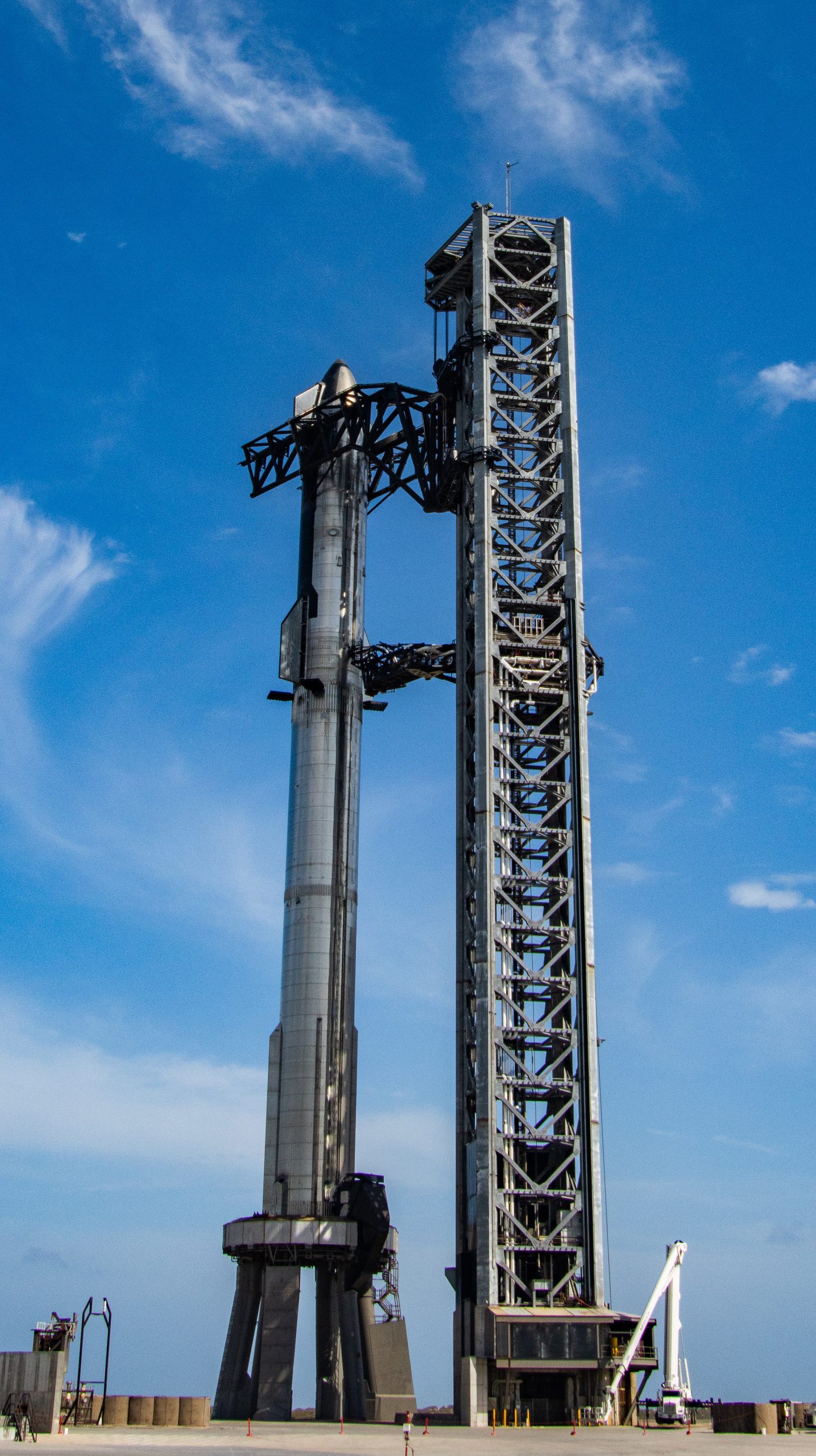
Starship orbital flight is scheduled for September 22, as SpaceX prepares for its first mission with a Starlink payload. This launch represents a pivotal moment for the company in its journey to revolutionize space travel.
Overview of the Starship Mission
SpaceX’s upcoming Starship orbital flight marks a significant milestone in the company’s ambitious plans for space exploration. Scheduled for September 22, this mission aims to demonstrate the capabilities of the Starship vehicle while carrying a payload of Starlink satellites into orbit.
This mission is critical for several reasons:
- Testing New Technologies: The flight will validate several systems crucial for future missions beyond low Earth orbit.
- Expanding Internet Access: The deployment of Starlink satellites will enhance global internet coverage, particularly in underserved regions.
- Preparing for Mars Missions: Success in this mission will pave the way for future crewed missions to the Moon and Mars.
Overall, the Starship orbital flight represents a giant leap for SpaceX in its quest to revolutionize space travel.
What to Expect on Launch Day
As SpaceX prepares for the highly anticipated Starship orbital flight, enthusiasts and experts alike are eager to know what to expect on launch day. The mission, targeting September 22, aims to deliver a Starlink payload, marking a significant milestone for the company.
On launch day, several key elements will be in focus:
- Launch Window: The exact time of the launch will depend on weather conditions and technical readiness.
- Live Coverage: SpaceX is expected to provide live updates via their official channels, allowing fans to follow the event in real-time.
- Mission Objectives: The primary goal will be to test the vehicle’s capabilities in an orbital environment while gathering data to enhance future missions.
Overall, the excitement surrounding the Starship orbital flight reflects the growing interest in space exploration.
The Importance of Starlink Payload
The upcoming Starship orbital flight is not just a significant milestone for SpaceX; it also plays a crucial role in the company’s broader vision for global internet coverage through its Starlink project. By launching a batch of Starlink satellites during this mission, SpaceX aims to demonstrate the capabilities of its next-generation rocket while simultaneously expanding its satellite constellation.
The inclusion of the Starlink payload is vital for several reasons:
- Enhancing Connectivity: The new satellites will improve internet service in underserved regions.
- Testing Technology: This flight will test the integration of Starlink with the Starship system.
- Demonstrating Reliability: Successfully deploying Starlink during the flight will showcase the rocket’s reliability for future missions.
Overall, the Starship orbital flight marks a pivotal moment for SpaceX as it advances both its launch capabilities and its mission to provide global internet access.
SpaceX’s Future Plans for Starship
As SpaceX prepares for the upcoming Starship orbital flight, the company is looking ahead to its ambitious plans for the spacecraft. With the successful launch of Starship, SpaceX aims to revolutionize space travel and establish a sustainable presence beyond Earth.
Future missions may include:
- Human Exploration: Sending astronauts to the Moon and Mars as part of NASA’s Artemis program.
- Commercial Flights: Offering private space tourism opportunities for adventurous travelers.
- Satellite Deployment: Expanding the Starlink network to ensure global internet coverage.
Additionally, SpaceX plans to enhance the Starship’s capabilities, allowing for longer missions and larger payloads. The success of the Starship orbital flight will be a pivotal moment, setting the stage for future endeavors and pushing the boundaries of human exploration.
Challenges Faced in Orbital Launches
As SpaceX prepares for its upcoming Starship orbital flight, it faces several challenges that could impact the mission’s success. These challenges include:
- Technical Hurdles: The engineering team must ensure that all systems function seamlessly during the launch and reentry phases.
- Regulatory Approvals: Gaining the necessary clearances from federal agencies can delay launch timelines.
- Environmental Concerns: Launching from locations like Boca Chica raises ecological questions that require careful consideration and mitigation strategies.
- Weather Conditions: Unpredictable weather can force last-minute launch delays, impacting scheduling and costs.
Despite these obstacles, SpaceX is committed to overcoming them to achieve successful orbital flights and establish a robust presence in space exploration.
By Jenny Hautmann via Openverse